Tesla Assisted Driving – Affordable Luxury
Article by James Herne
If a person has their own chauffeur, that is luxury. If a person enjoys driving briskly on winding roads, that is sport. Luxury and athletic abilities make life better.
This time, the test car is the brutally quick Model 3 Performance, which can also drive itself!
In fact, Teslas were already capable of driving themselves more than ten years ago, but the feature was quickly shut down. The Autopilot Autosteer function was introduced in 2015 with Tesla software version 7.
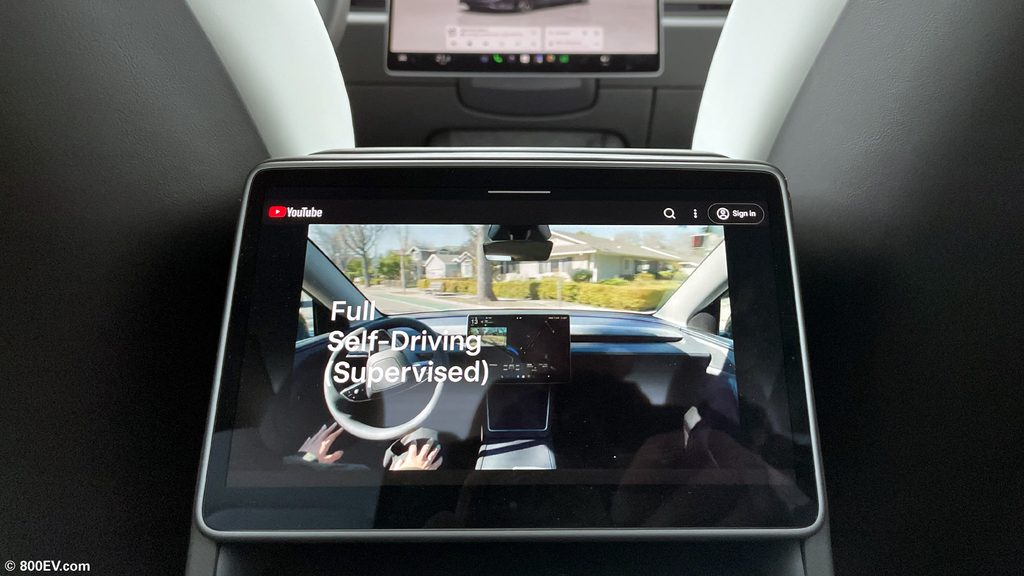
An example of the level of self-driving capability in 2015:
I was one of the lucky people who got to experience this before the self-driving function was disabled in 2016 at the request of lawmakers. Specifically, a software restriction was introduced requiring the driver to keep a hand against the steering wheel. This made the self-driving function pointless.
At the time, I thought it was unbelievable that a car could steer itself. Maintaining a safe distance from the car ahead, braking and accelerating were things cars had been able to do for a long time (the first was the Mercedes S-Class in 1999). So, when we talk about self-driving, we are really talking about steering. Since all new cars can brake when danger arises, there is nothing particularly dangerous about allowing a car to steer itself as well.
Lawmakers put the brakes on progress, but Tesla doubled down and named its system FSD Beta, with FSD supposedly standing for Full Self-Driving. In reality, it was not full self-driving. But it was a tug-of-war between a child eager to grow and a parent restricting its development.
“Full Self-Driving” means that the system never needs human assistance to get from its starting point to its destination. Achieving that level of capability is extremely difficult. Yes, driverless taxis exist, but if such a car gets into trouble, an employee sitting in an office can remotely guide it using the feed from the car’s cameras. A self-driving car might need help, for example, when a street is closed for roadworks or when the car does not know where to park after reaching its destination. I would say that the Model 3’s self-driving capability works 99% of the time, but a human has to help with the remaining 1%.
The Model 3 has more eyes and sensors than a human, so it makes sense that it can drive itself more safely than a person.
Since Tesla first became capable of steering itself, 7 generations of new software have been released. This time, I drove—or perhaps rode in!?—a car running software version 14. I was not expecting anything extraordinary, because in my opinion, self-driving was already at an astonishing level 11 years ago. Legislation is always behind technological progress; that is normal. But now, one country after another has begun accepting self-driving cars.
It is clear that until a car can drive itself with 100.0% capability in every situation, it is not truly “Full Self-Driving.” My son and I came to the conclusion that it is actually Driver-Supervised Self-Driving. In European Union it is not permitted to mislead customers, so Tesla replaced the FSD name with a new one in Europe: Tesla Assisted Driving (TAD). If FSD gave a more impressive impression of the system than it deserved, TAD is, by contrast, far too modest a name for describing this remarkable piece of robotics.
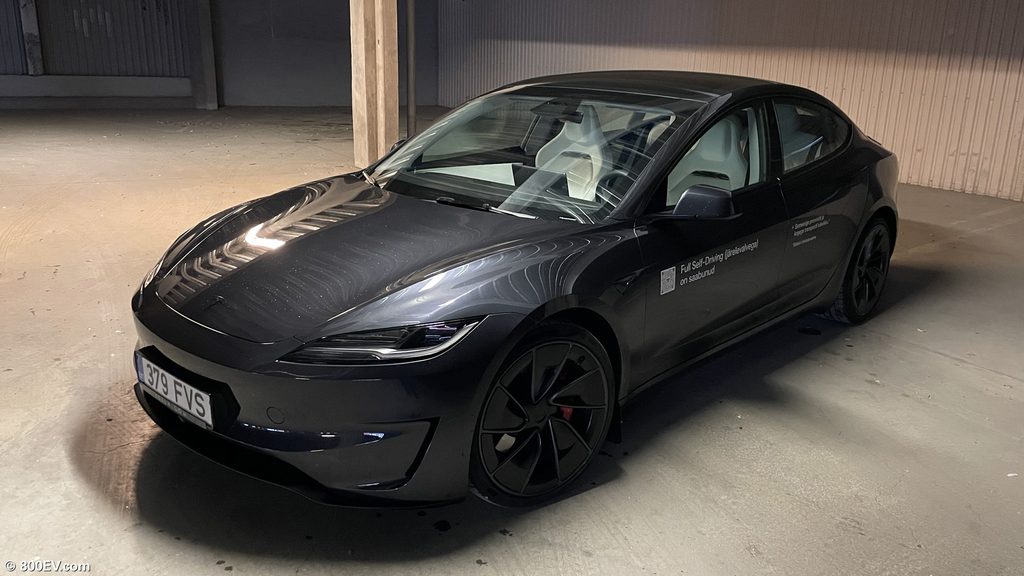
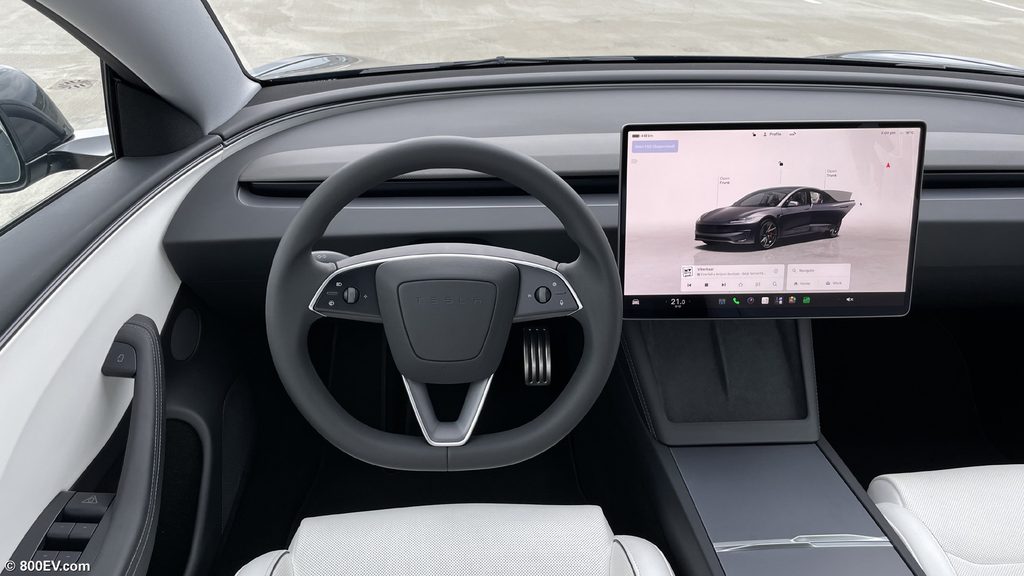
I picked up the test car on Friday evening. Someone tired after a long week is certainly not at their best behind the wheel, which made me particularly appreciate the car’s self-driving abilities.
Here’s a short video I made:
In the USA, FSD offers different driving aggression levels: “Chill”, “Average” and “Hurry” (initially called “Assertive”). European customers do not have this choice. The system operates in just one mode, which is presumably “Chill.” My daughter liked how smoothly it drove. She said that although I am a good driver compared with many other people, the self-driving car drives even more smoothly!
Whenever I was in a hurry, I wanted to get up to the urban speed limit quickly, so I drove the car myself for about half the time in urban areas. On the highway, I let the car do most of the driving.
I had a great experience on the highway: the Model 3 made room for another car. The robotic car activated its turn signal and moved into the faster lane so that another car coming from the acceleration lane would not have to slow down. The Model 3 then monitored the speed the other car settled at and, once it was clear that the other vehicle was travelling at the maximum permitted speed, moved back in behind it. The robotic car behaved just like an excellent human driver! It felt so natural that I thought, “Wow!”
The car is amazing, but I found a few things that could have been done better. Jokingly, you could say that Tesla has invested so much in software development that some ordinary features have been pushed slightly into the background. I’ll list all the drawbacks at once, and then we can get back to the exciting stuff.
The driver’s seat has a control for adjusting the curvature of the backrest (lumbar support), but my back still started to ache a little on longer journeys. Yes, I do have a somewhat bad back, but still.
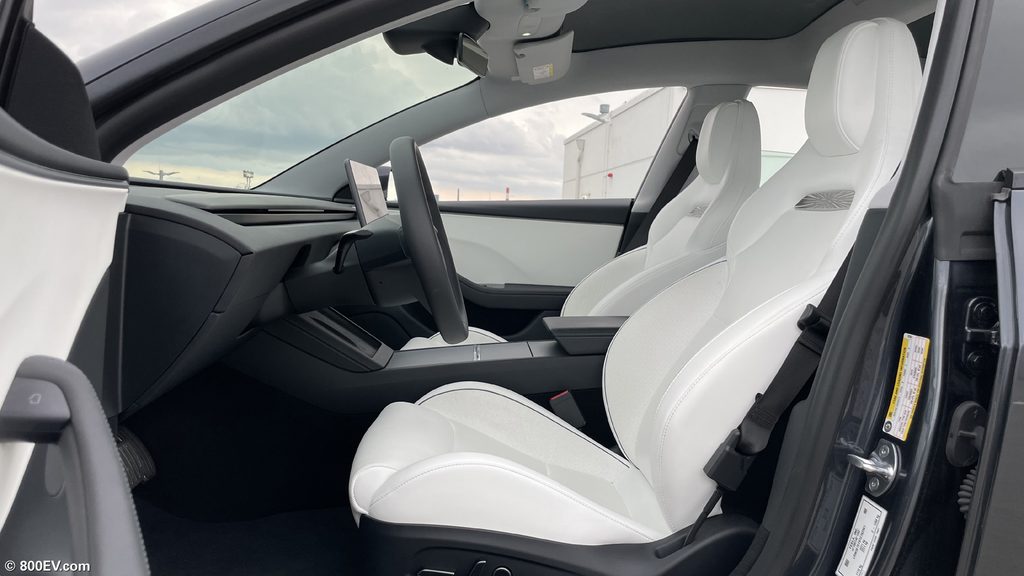
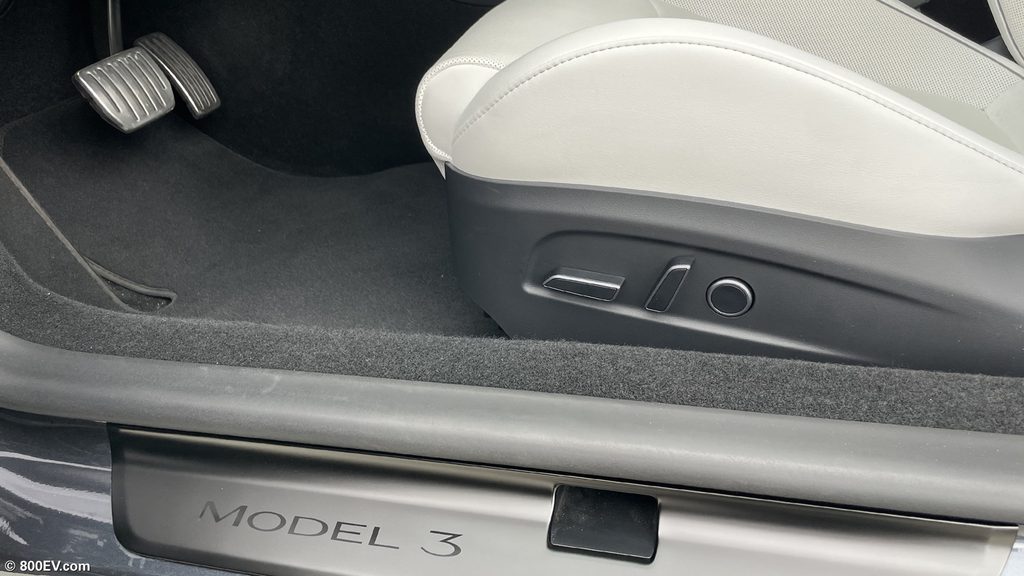
Three of my cars have had 20-way adjustable seats with massage function (thanks, Mercedes!), and I know how to appreciate good seats. If I could choose only one extra for a car, I would choose the very best seats.
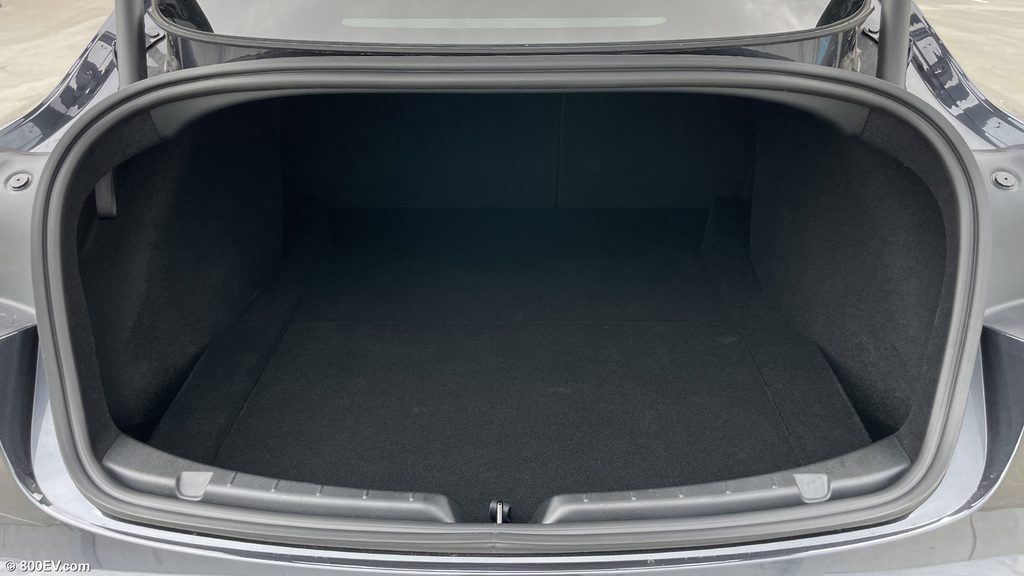
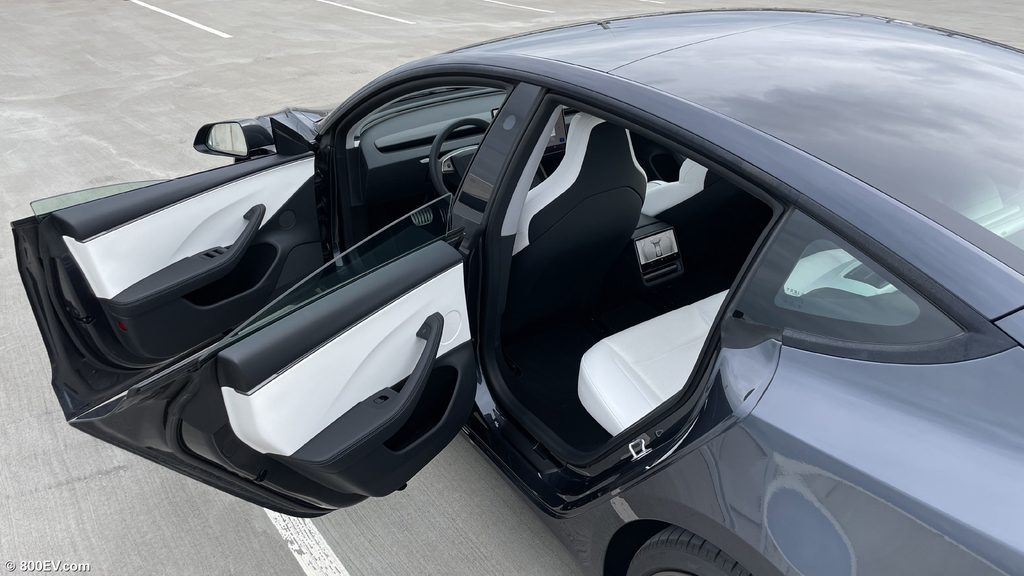
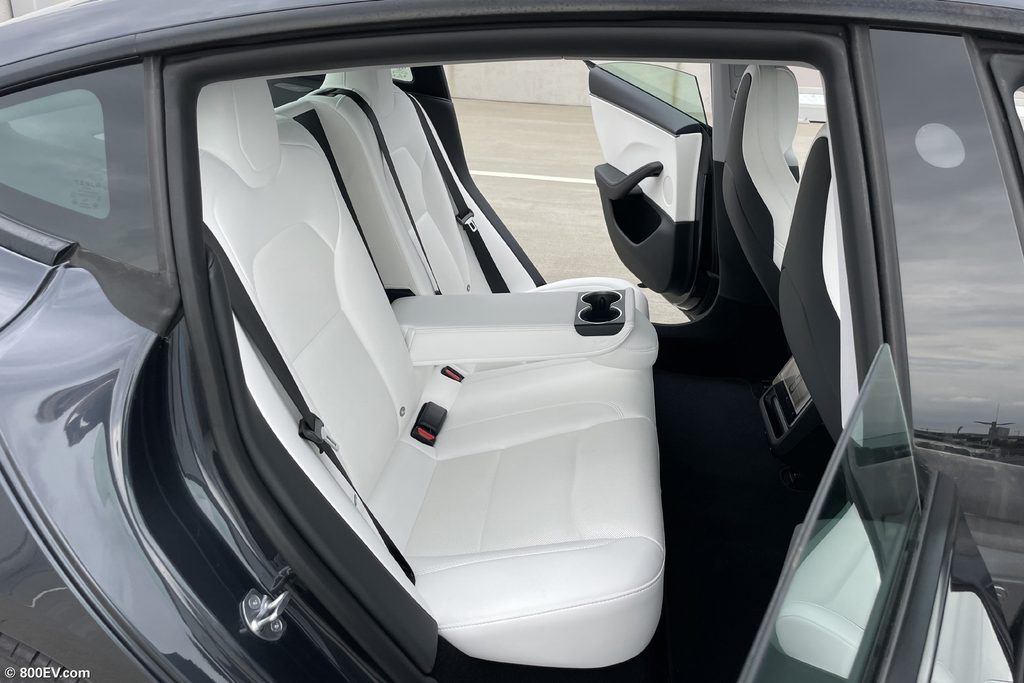
I received mixed feedback about the Model 3’s rear seat: one friend said it was good, while another was not entirely satisfied.
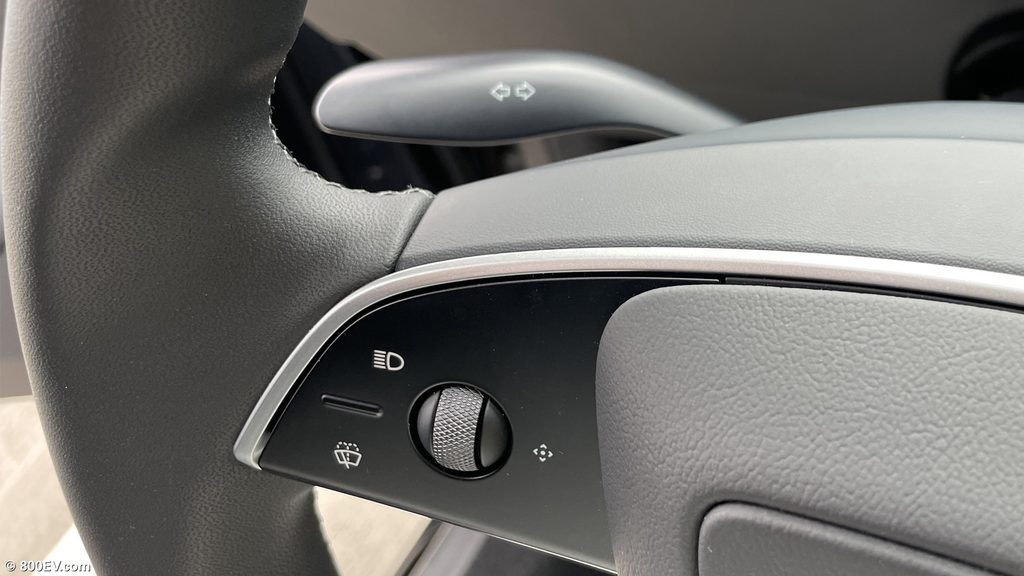
The rain sensor for the windscreen wipers does not work well. It did not work well on the first-generation Model 3 either, and it is interesting that Tesla has not improved it.
The automatic high-beam system left something to be desired when driving along a forest road at dusk. Apparently, the car did not yet consider the conditions dark enough. But when driving through a forest at twilight, even before it gets completely dark, it is important to have the high beams on to help avoid collisions with wildlife. Since the automatic system refused to switch on the high beams, I had to disable it so that I could use the high beams manually.
Actually, I could relax, because Tesla brakes automatically if an animal runs in front of the car. The car probably sees better in the dark than a human does. The Model 3 can drive itself in the dark, I tested that.
Continuing with the drawbacks, the triangular plastic piece at the bottom of the steering wheel creaks when you steer manually. Tesla could, of course, argue that there is no need to use the steering wheel because the car can drive itself.
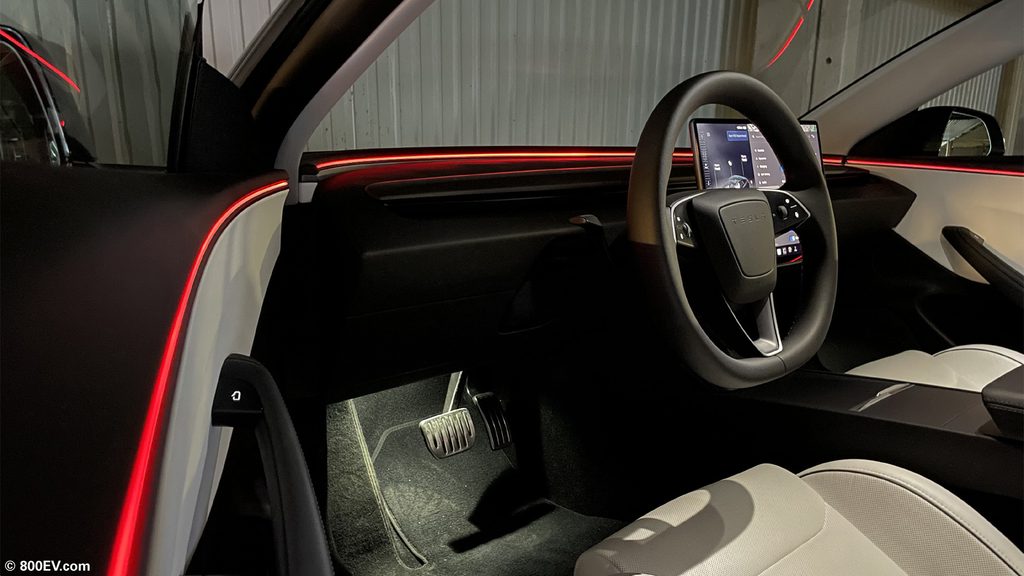
In my opinion, the light strip along the bottom edge of the windscreen is a little distracting when driving the car manually at night. If you let the car drive itself, this kind of ambient lighting is maybe even nice.
The Model 3 Performance is an all-wheel-drive car, and most all-wheel-drive vehicles have the same problem: a poor turning circle. You notice this when you need to make a 180-degree turn. The turning circle could be improved by making the rear wheels steer as well, but this feature is not available on the Model 3.
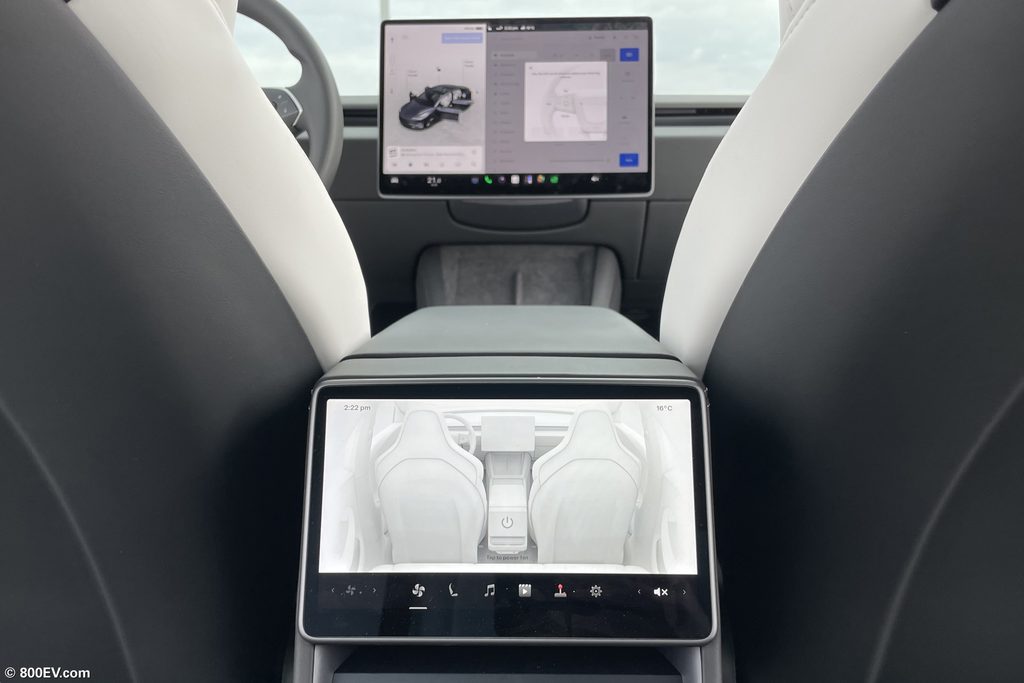
The Model 3 does not offer Apple CarPlay or Android Auto. I personally do not miss either, but since most cars offer them, it is strange that the Model 3 does not.
Now that the drawbacks are out of the way, let’s move on to the advantages.
It is absolutely clear that self-driving capability is a decisive competitive advantage.
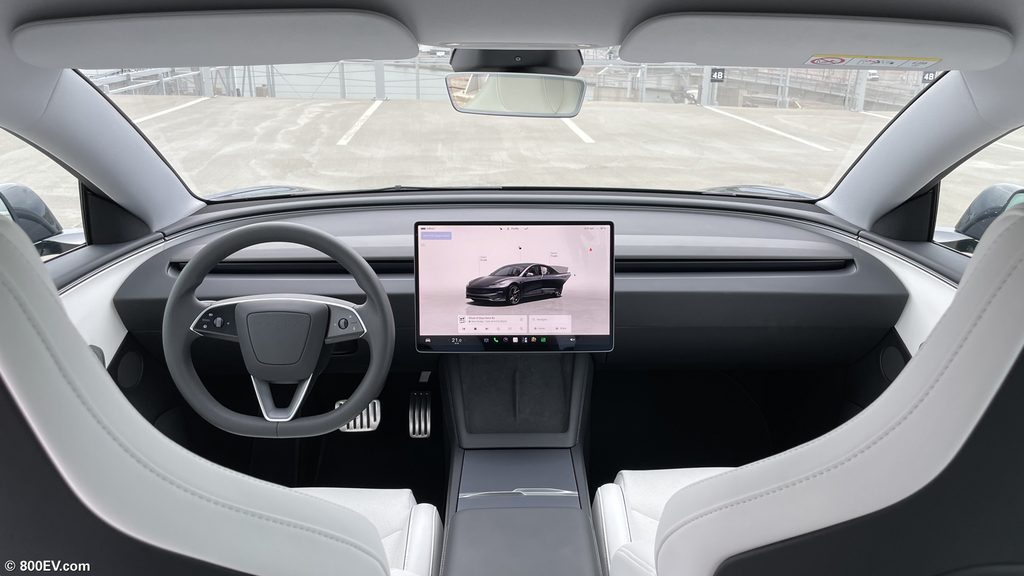
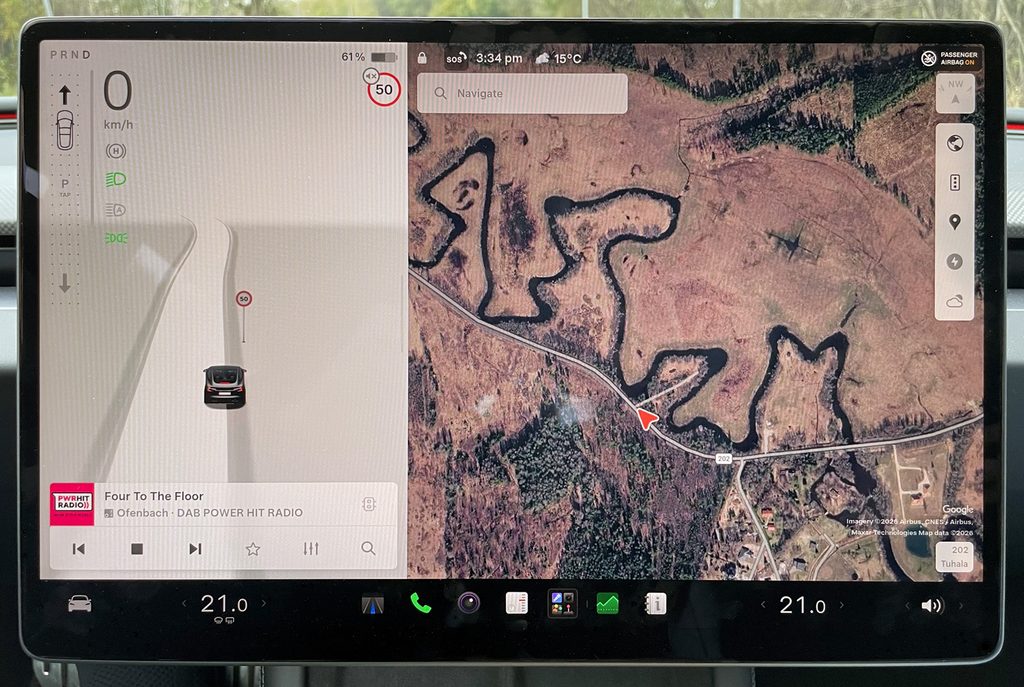
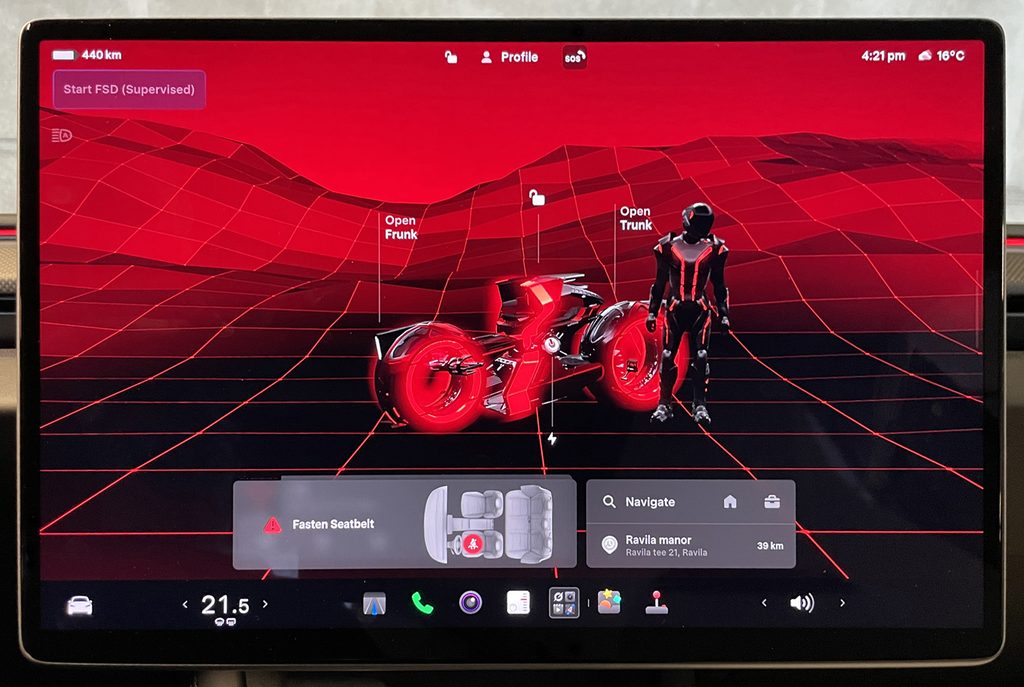
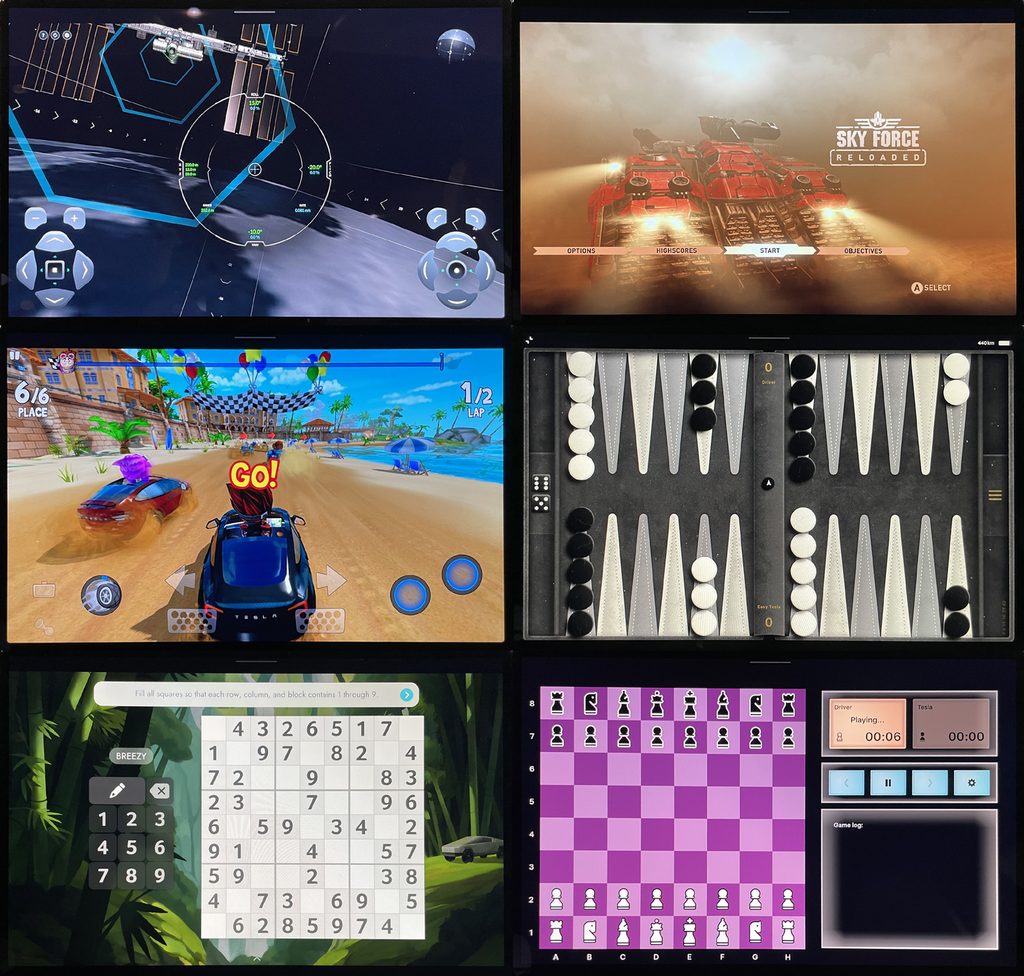
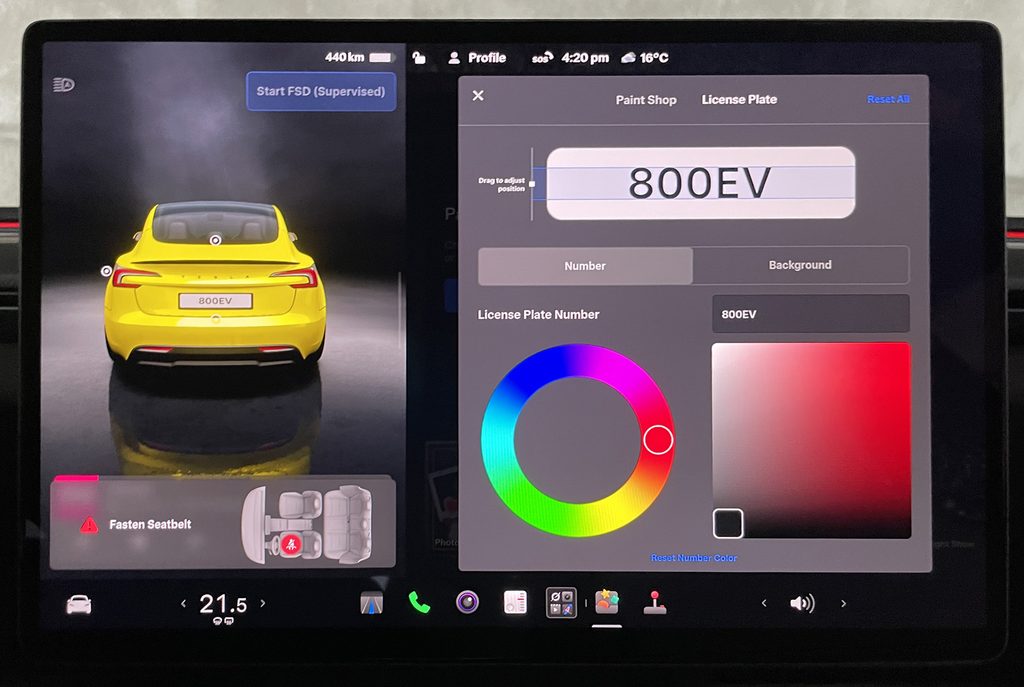
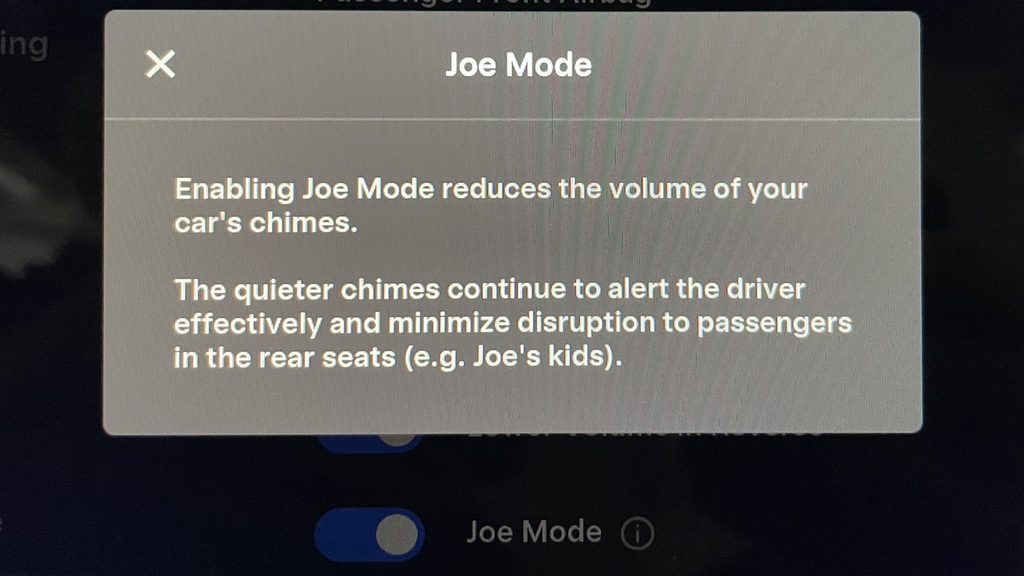
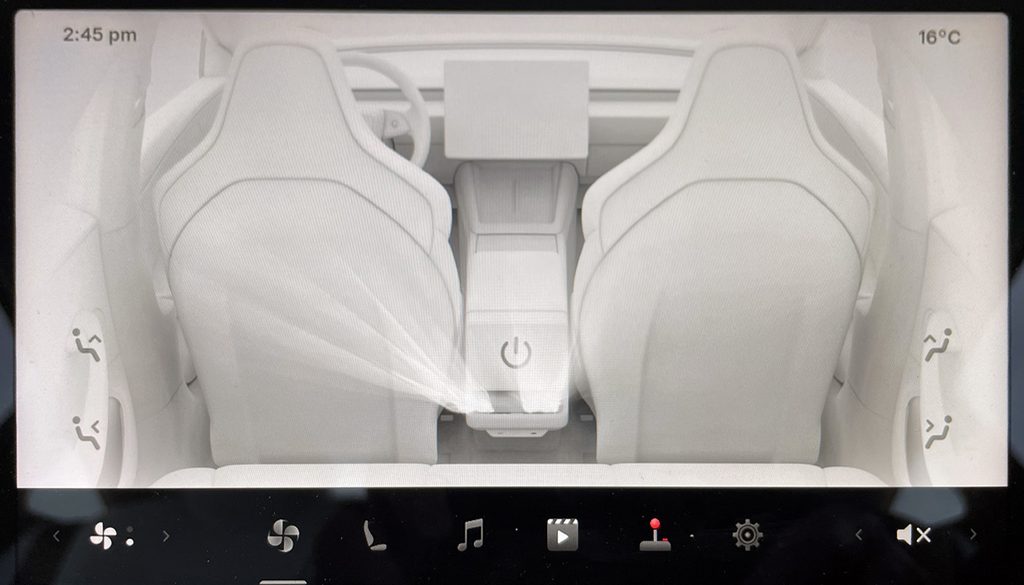
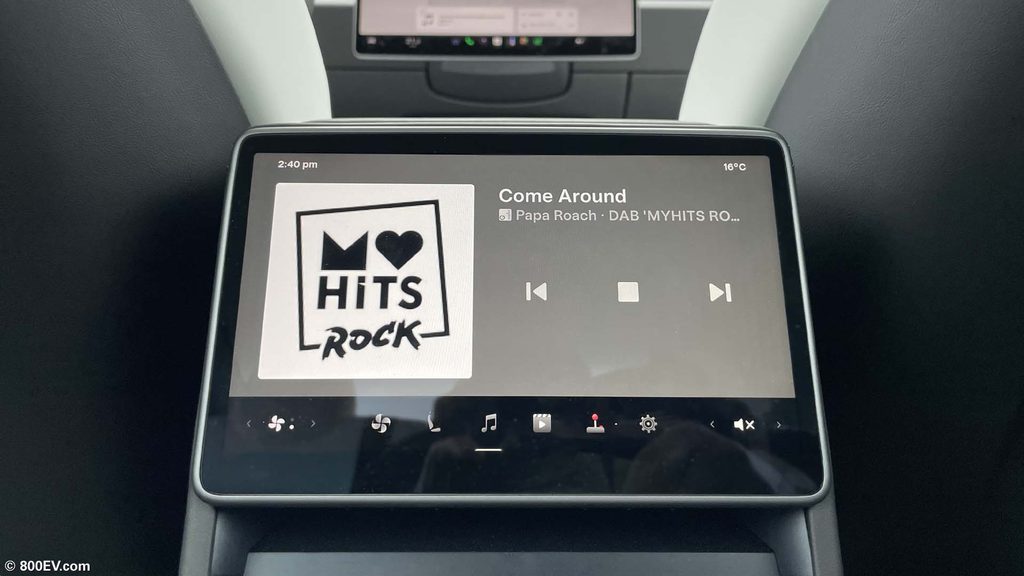
Tesla is certainly the best software developer among car manufacturers. In general, automakers are not particularly good software developers. In my opinion, the user experience of the Model 3’s touchscreen software is the best in the automotive world. Naturally, a modern car also comes with a voice-enabled AI assistant as standard equipment.
One-pedal driving is implemented perfectly. There is no button or setting for it; it simply works. In other cars, you have to press a button to activate one-pedal driving, shift from “D” (Drive) to “B” (Brake mode), or use the buttons behind the steering wheel to adjust the regenerative braking strength. All of that is pointless nonsense. In the Model 3, the system works seamlessly in the background: the car does not decelerate too abruptly when you release the accelerator, yet it provides enough regenerative braking that you do not always need to use the brake pedal.
If there were a competition to determine which car offers the most for the money, I think the Model 3 would win. Even the base version is capable of driving itself. Look at the price of the base model and you will hardly believe your eyes. It is also important that the car holds its value well. You can see this by comparing the prices of new and used Model 3s.
The Model 3 has good acceleration even in its base version. A message to sports car drivers: Tesla has never made an underpowered car. Every Tesla is fast.
The base Model 3 has a long range thanks to its outstanding efficiency. Unless I am mistaken, the Model 3 is the least electricity-hungry electric car. Its secret recipe for efficiency remains a mystery to me.
Even the base model has power-adjustable seats, with lumbar support adjustment for the driver.
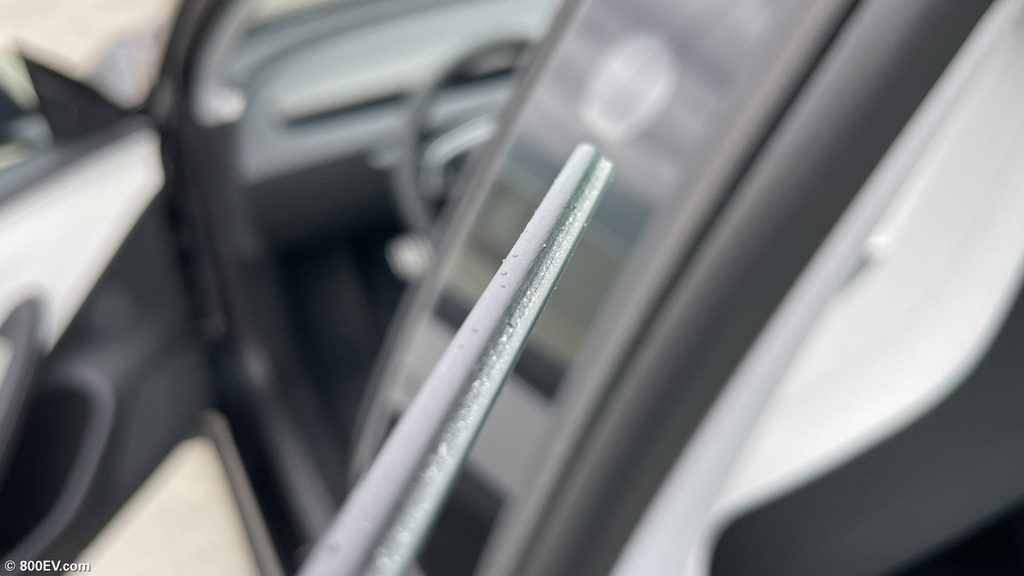
To keep the cabin quiet, it has double-glazed windows, even in the rear doors and even on the base model.
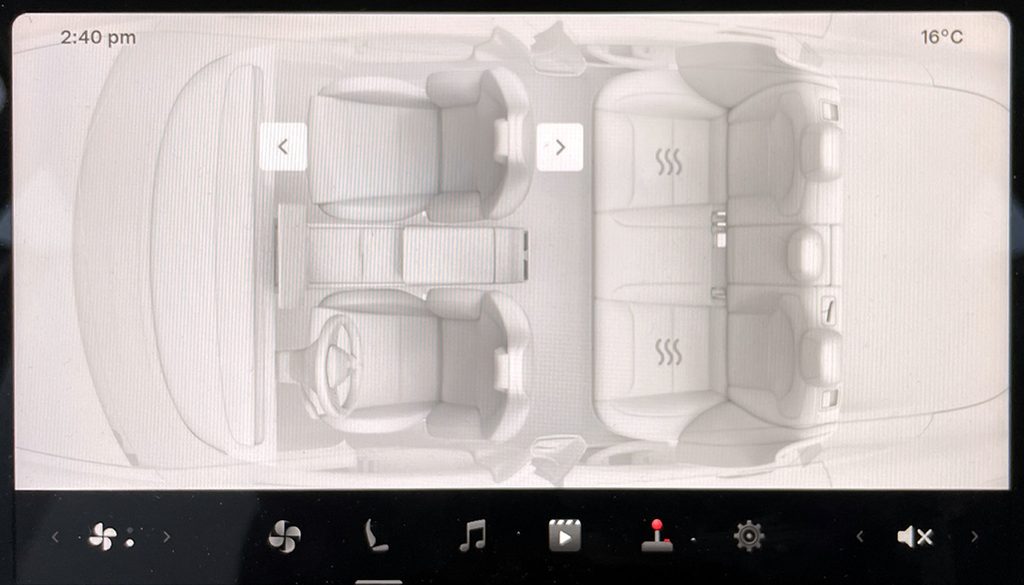
A heated steering wheel and heated front seats are also standard. The base version does not have ventilated seats or heated rear seats.
The car has 8 cameras to help it drive itself. After riding in a self-driving Model 3, I am convinced that all vehicles will eventually be capable of driving themselves. They will not have to drive themselves all the time, but they will be ready to do it if the driver wishes.
To clarify, self-driving is a subscription service with a monthly fee. Previously, self-driving capability was a very expensive optional extra, but now it is subscription-based. The monthly fee is roughly such that if you paid it for eight years, the total would come to about the same amount that the self-driving option used to cost as a one-time purchase.
When you consider that the Model S found buyers for 14 consecutive years, it shows that the new automaker has taken a fresh look at what would delight customers. Tesla was the first automaker to start improving cars through software updates without requiring owners to visit a dealership. Since the car has an internet connection, new capabilities can be added through over-the-air (OTA) updates. This makes the car better.
The Model 3 is an important car in automotive history. It demonstrated that an electric car does not have to be expensive. In a way, it is comparable to the Ford Model T, which was accessible to many people because of its price.
The Model 3 can be very proud of having been the world’s best-selling car for three years among vehicles designed to help reduce climate change. It can also be proud of being the first electric car to reach one million units produced.
I haven’t yet had a chance to share what I personally consider the most enjoyable feature of a car. It is the acceleration. So, let’s take a closer look at the “Performance” version.
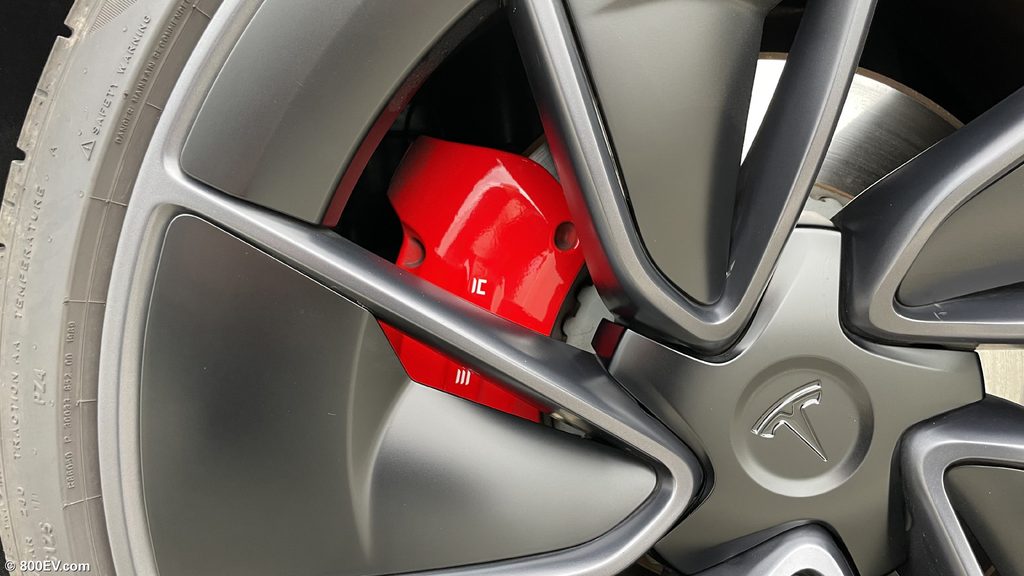
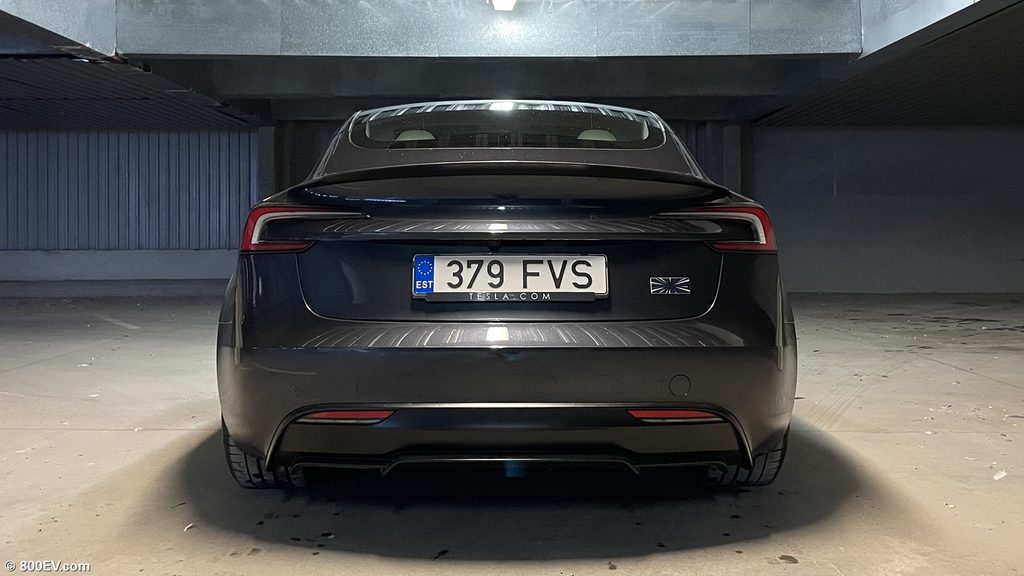
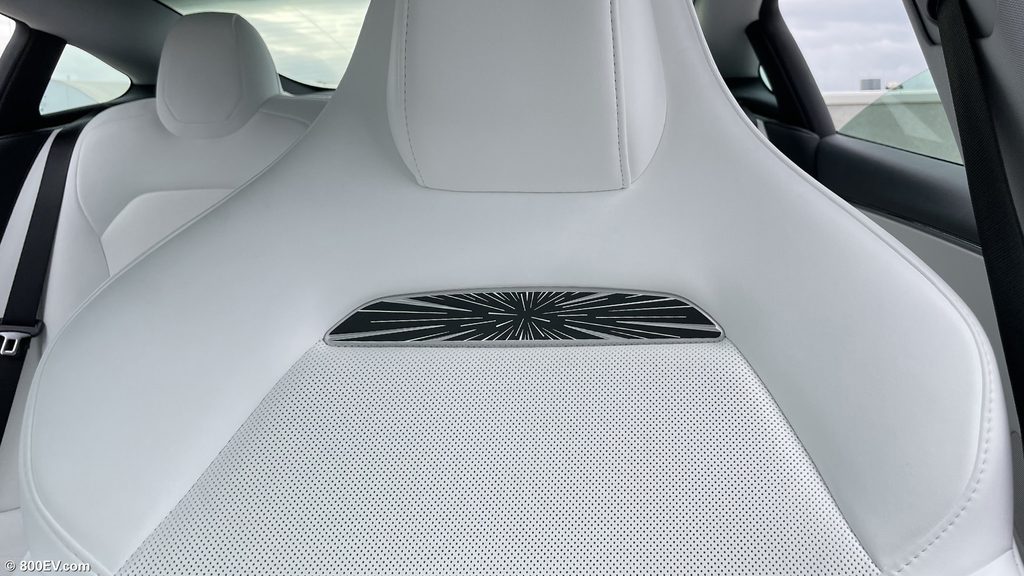
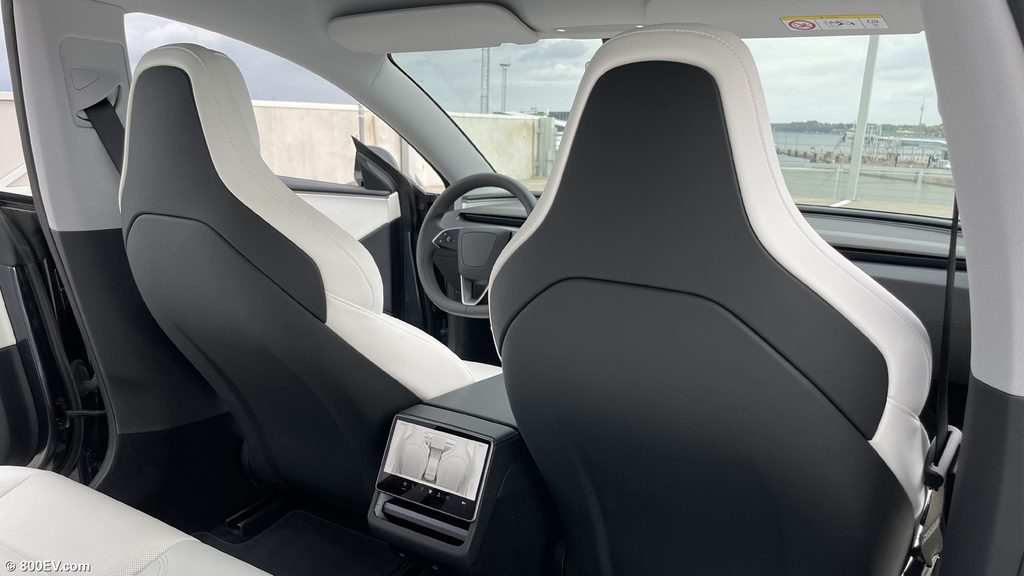
The Model 3 Performance is an enhanced version of the dual-motor, all-wheel-drive Model 3.
Let me mention here that the Model 3 AWD and Model 3 Performance come with an especially good sound system. It has 15 speakers, including two subwoofers, which is a substantial amount of audio equipment for a compact car. I know how to appreciate a good sound system, and I give it ten out of ten.
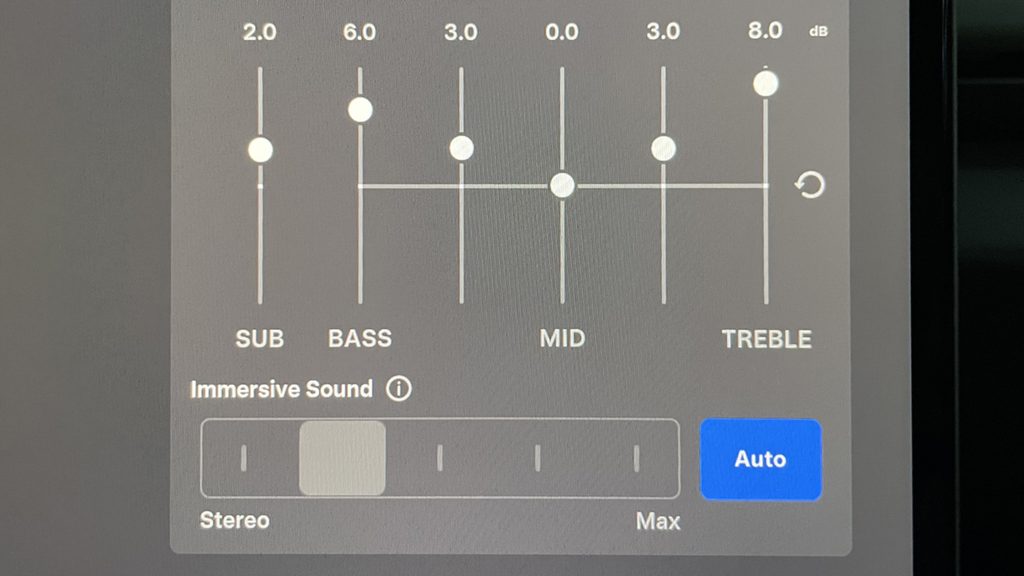
The original idea for this article was to write about the Performance model, but somehow I never seem to get to it because there is so much else to share.
All Model 3 versions have 235 mm-wide tyres, but the Performance version has 275 mm-wide rear tyres. That gives the rear axle an additional 8 cm of tyre width for grip in corners.
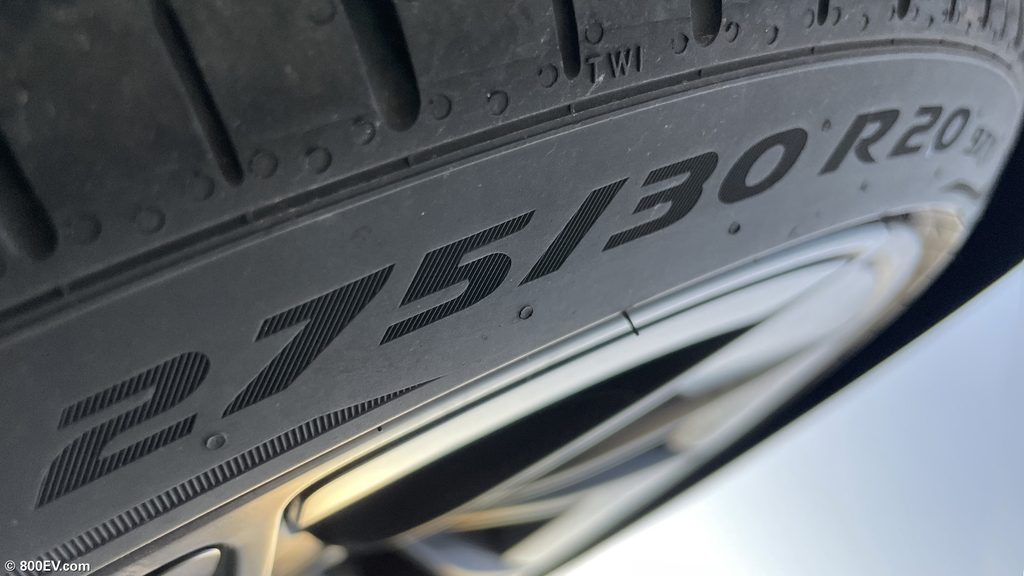
The added rolling resistance means that the M3P has the same range as the base Model 3 with its smaller battery. Even so, all Model 3 versions offer very good range.
A low centre of gravity is ideal for driving on winding roads, and naturally, I went looking for some twisty roads to enjoy the car. To avoid giving the wrong impression, I must add that the Model 3 Performance is not designed for track driving. Based on the observations of other testers, I know that both the M3P’s brakes and powertrain overheat on a racetrack. The M3P is a classic American muscle car: affordable and powerful, but not designed for track use.
I must also point out that the acceleration figure for the Performance model is incorrectly presented on Tesla’s website. The 0–100 km/h acceleration figure includes the note: “With rollout subtracted.” What is “rollout”? It is a measurement method used in USA drag racing in which the timer starts only after the car has already begun moving and travelled one foot (30 cm). By that point, powerful cars may already be travelling at 10 km/h. Getting the car moving and covering that first foot takes approximately a quarter of a second. When Tesla says the Model 3 Performance accelerates from 0 to 100 km/h in 3.1 seconds, that is incorrect. It is actually the time for acceleration from 10 to 100 km/h.
I measured the Model 3 Performance’s acceleration correctly: from a complete standstill, using a high-frequency GPS device, on a road that was not downhill. I recorded 3.25 seconds for 0–100 km/h acceleration. Isn’t that fast enough!?
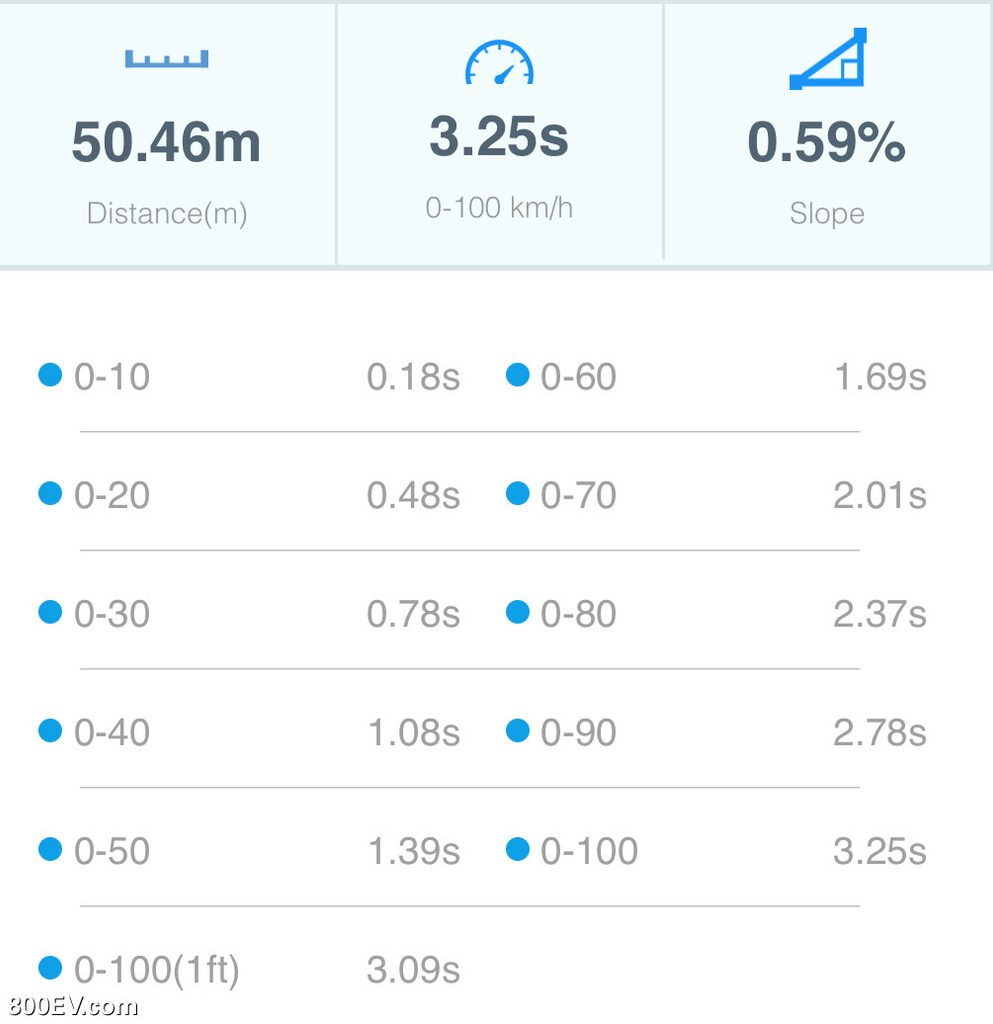
The launch is especially brutal. It is like being fired from a catapult. I measured the 0–50 km/h acceleration time at 1.39 seconds.
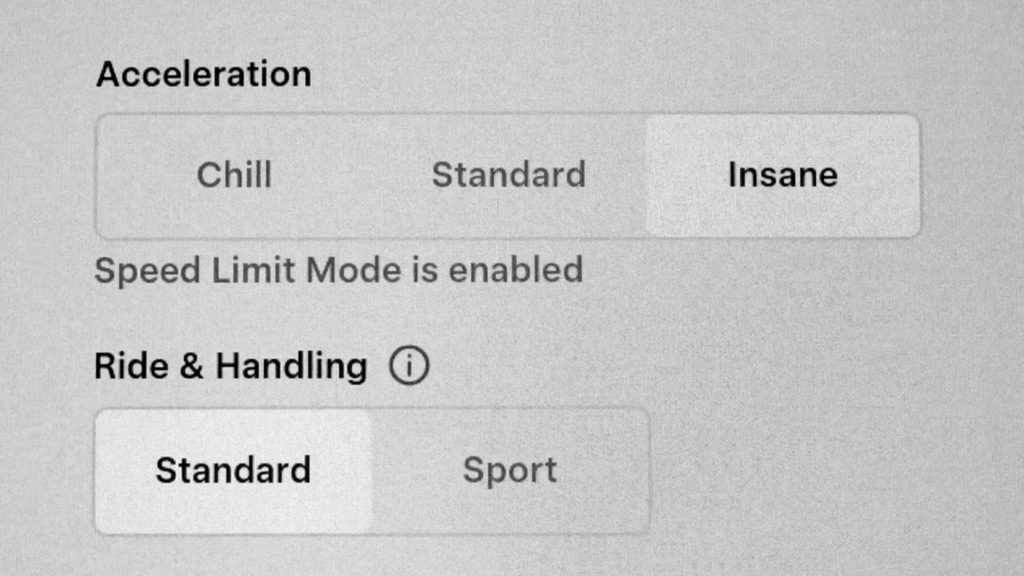
Its power alone is reason enough to buy this car. The Model 3 Performance offers the world’s best acceleration-to-price ratio.
I caught myself wondering what sport and luxury really mean when it comes to cars. I had seen it with my own eyes: when an exclusive sporty luxury coupe that produces CO2 and the Model 3 Performance launch simultaneously at full power, the Model 3 wins the 0–50 km/h “acceleration race.” And once the victory is secured, a press of a button transforms the Model 3 from a racehorse into a personal chauffeur.
After driving the Model 3, I honestly cannot imagine why anyone would want to buy a new car that lacks self-driving capability. Driving an ordinary car is like doing the dull job of a taxi driver. In the Model 3 Performance, you can be a sporty driver or a passenger, depending on your mood. Having your own chauffeur is the ultimate symbol of luxury.
| 0–100 km/h | Battery (usable) | |
| RWD | 6,2 s | 60 kWh |
| RWD Long Range | 5,2 s | 79 kWh |
| AWD | 4,4 s | 79 kWh |
| Performance | 3,3 s | 79 kWh |