
Ioniq 6: A Very Good Car
Article by James Herne
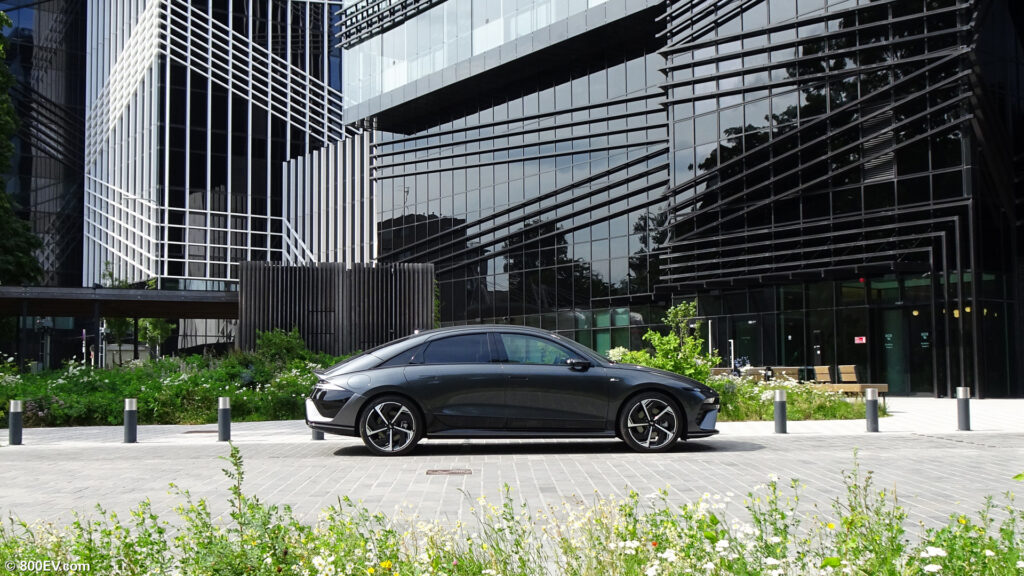
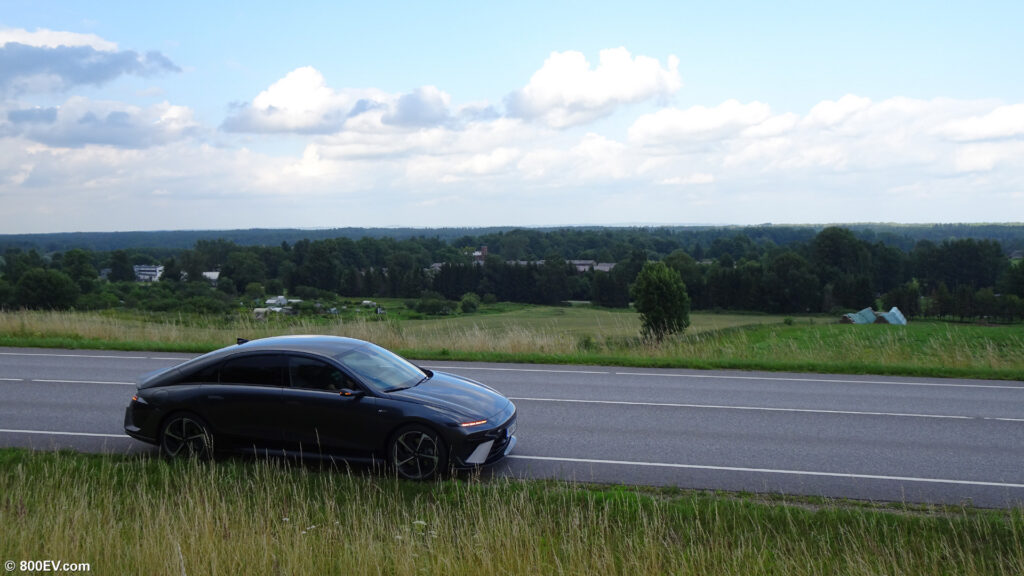
Before we start enjoying the car’s features, let’s take a look at the exterior. When I look at the car from the side, I think: it looks like a four-door Porsche 911!
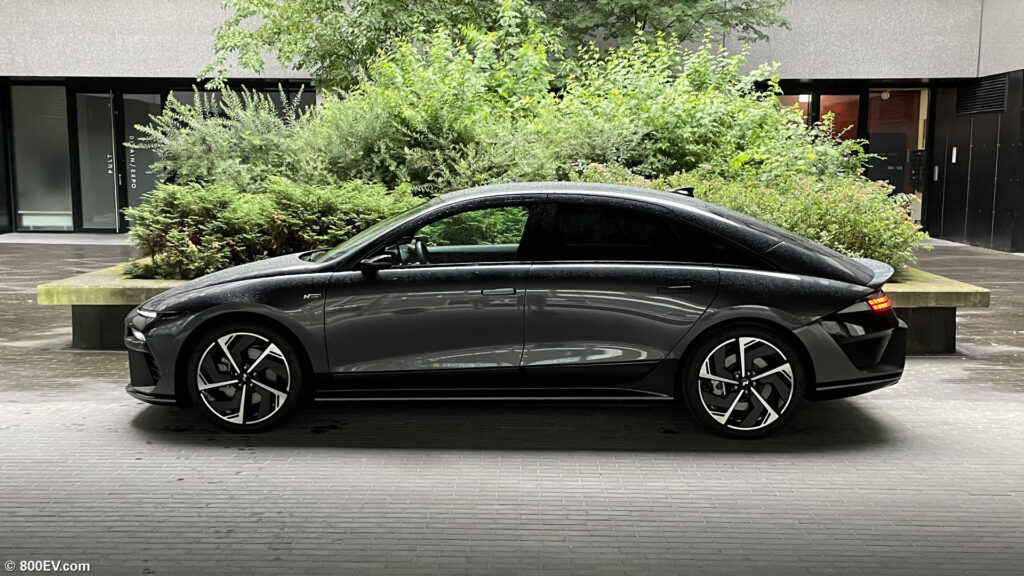
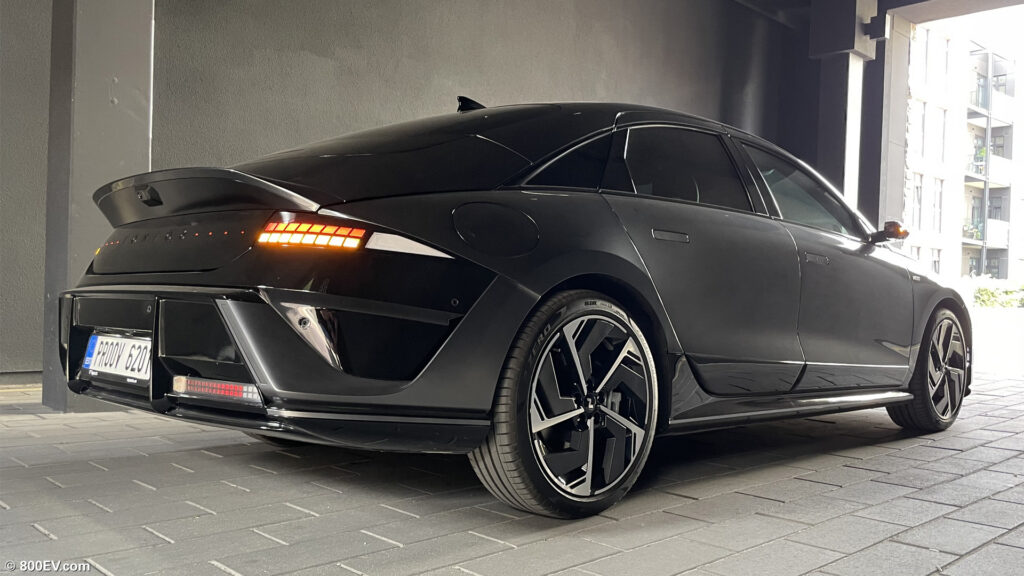
Actually, as early as 1989 Porsche’s design department began experimenting with shaping a four-door car. The model was called Porsche 989, and four or five body designs were created. However, a four-door 911 never went into production. Instead, Porsche introduced the Panamera in 2009, but the aim was not to copy the 911. Viewed from the side, Hyundai looks more like a 911. Even the famous ducktail rear spoiler, known from very special 911 models, has been added to the Ioniq 6. I don’t know what to think of copying, but it looks good.
The titles of the Hyundai Ioniq 6 are:
World Car Design of the Year
World Electric Vehicle
World Car Of The Year
What more is there to add?
Let’s drive!
The ride is shocking! Then I saw tyre pressure figures on the screen — someone had pumped the tyres to a ridiculously high pressure. Since all electric cars have excellent ride, I was immediately confused because it felt like I’m driving a car with stone wheels.
The Ioniq 6 AWD N Line is almost a premium car, which means a potential buyer has a list of expectations that the car has to meet.
A quick calculation showed that the tyre pressure was 40% above the recommended level. I wondered whether the previous test driver had been trying to hypermile? But, whatever — it’s an easy fix. I repaired the car!
This is a sporty car — because of the looks, power, and low centre of gravity — and naturally I will be heading to twisty roads.
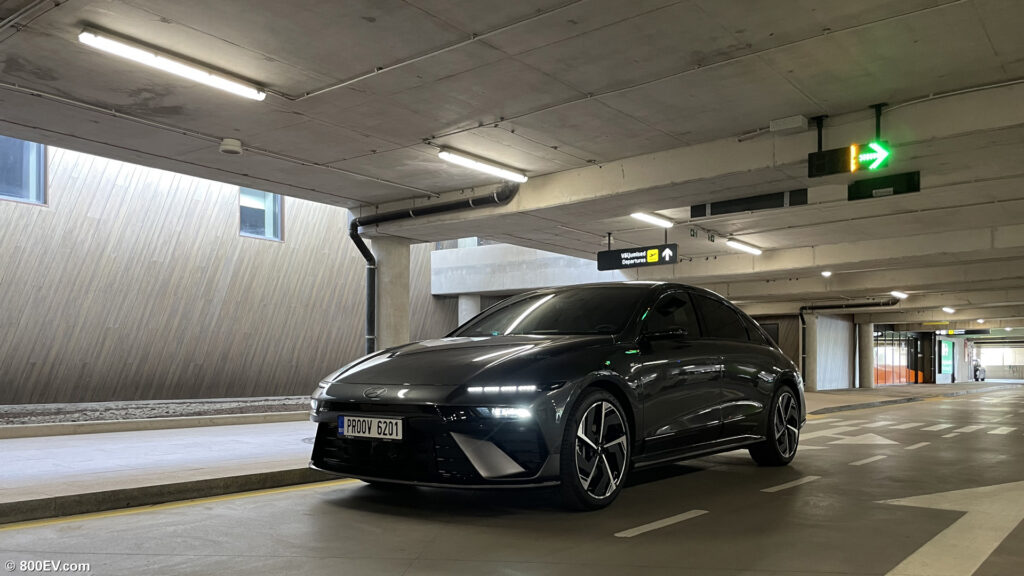
The Ioniq 6 is one of the most aerodynamic cars in the world. Low aerodynamic drag is especially important for electric cars because a streamlined body reduces energy consumption and therefore increases range.
If you compare an Ioniq 5 and Ioniq 6 with the same battery and the same motor, the factory figures show that the Ioniq 6 can travel up to 19% farther! With the same battery and motor. What comes to the very sporty N models, the difference is smaller, but still a significant 9%.
In addition to the body shape, the energy consumption of a car is determined by the rolling resistance of the tyres. The highest energy consumption is on the 478 kW N model with its 275 mm-wide tyres. Leaving the N model aside, the next highest consumption is on Ioniq 6 with the N Line package because of its 245 mm-wide tyres. This is the version I drove. In addition to 20-inch wheels the N Line also has an aggressive front spoiler, which is less aerodynamic.
For those who want longer range, the Ioniq 6 without the N Line package, with its 225 mm-wide 18-inch tyres, can travel 15% farther. Less style, more substance. More style, less substance. Beauty has always demanded sacrifices. It’s nice that the buyer has a choice. Choosing the rear-wheel-drive version increases the range by another 3%.
Range is important when travelling, so this is a good touring car. It also looks like a GT — Gran Turismo.
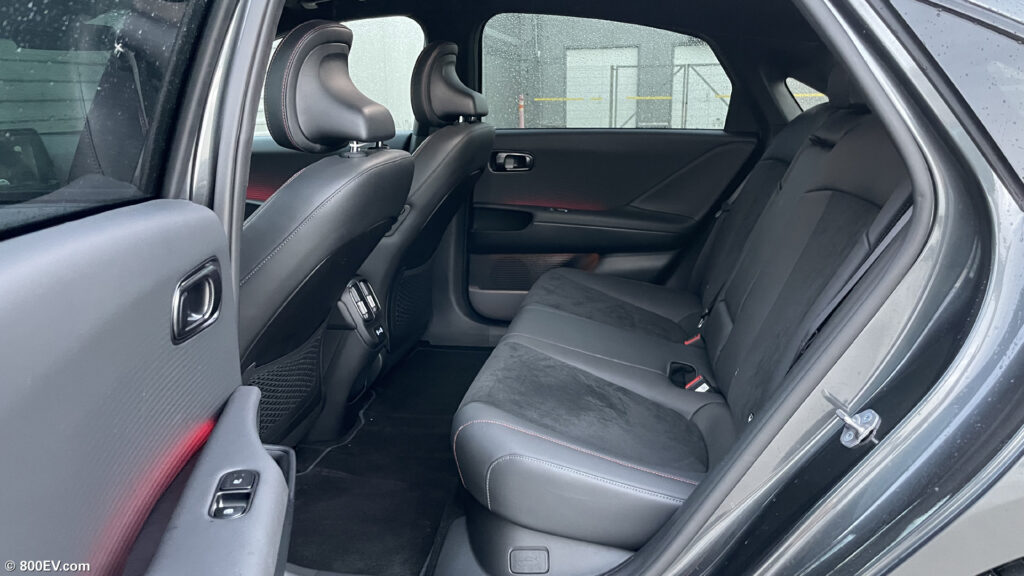
Because the Ioniq 6 has a coupe-like shape, my head touched the roof when I sat in the rear seat (I am 6 ft / 183 cm tall). That is normal. Traditional coupes have even less rear-seat space. But how does the Porsche Taycan manage to have an even lower roof? In the Porsche, there are no batteries underneath the rear passengers’ feet, which means the rear seat can be positioned closer to the ground, allowing the roof to be lower.
The base model’s 60 kWh battery has a voltage of 523 volts, while the larger 80 kWh battery has 697 volts. Charging time is the same for both batteries because the larger battery can handle a higher voltage. According to factory specifications, the charging power of the smaller battery peaks at 195 kW and the larger battery at 260 kW. I saw 262 kW for a second during charging.
The Ioniq 6 is one of the most efficient electric cars thanks to its aerodynamic body. With the larger battery, the range is excellent. With a car this capable, nobody should have range anxiety — that would simply not be normal anymore.
The battery warranty is 8 years or 100,000 miles / 160,000 km, and the general vehicle warranty is 5 years. That sounds like a gift.
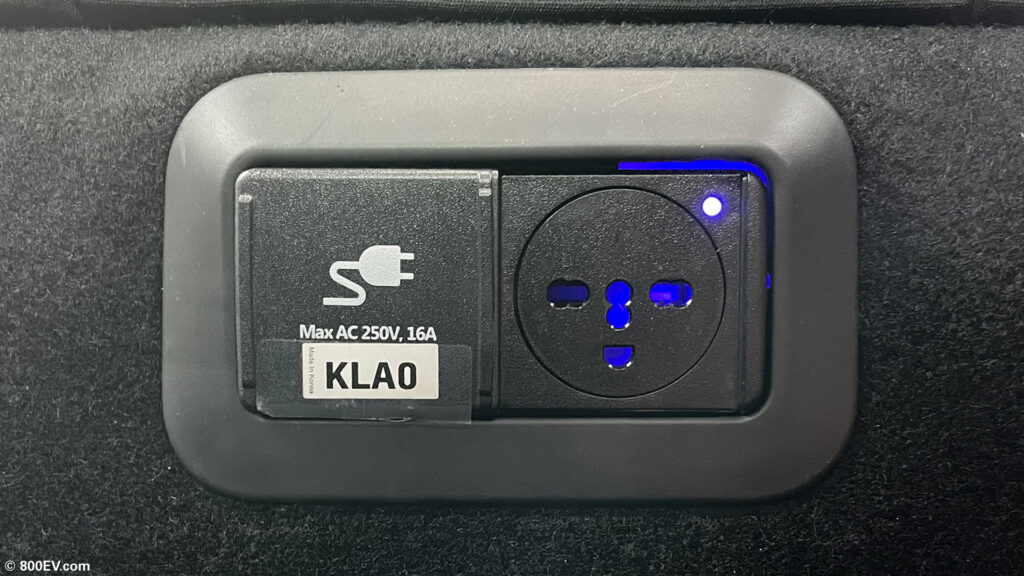
The standard equipment is generous. The car has a regular household power outlet where you can plug in any electrical device. The outlet can provide several kilowatts of power.
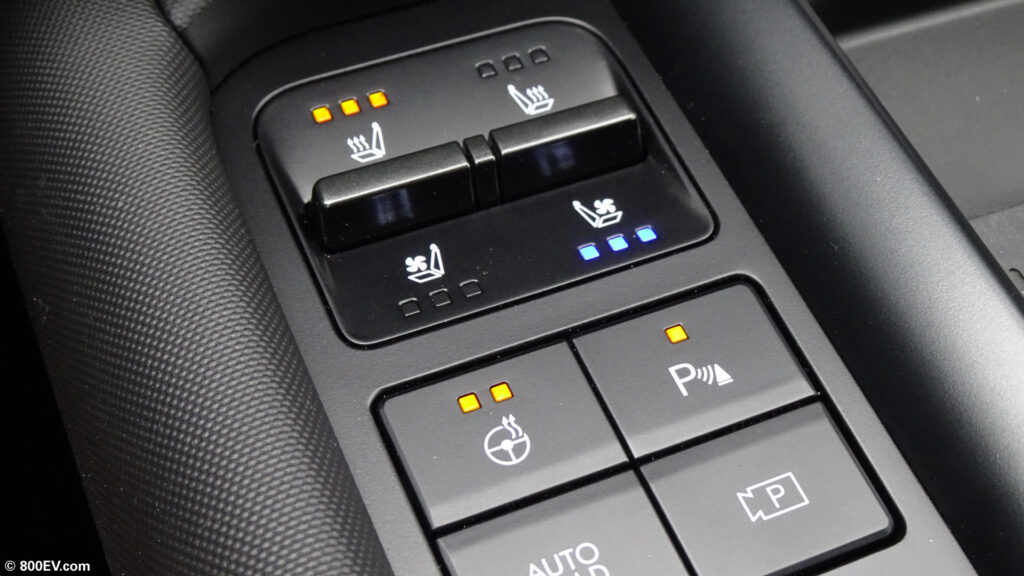
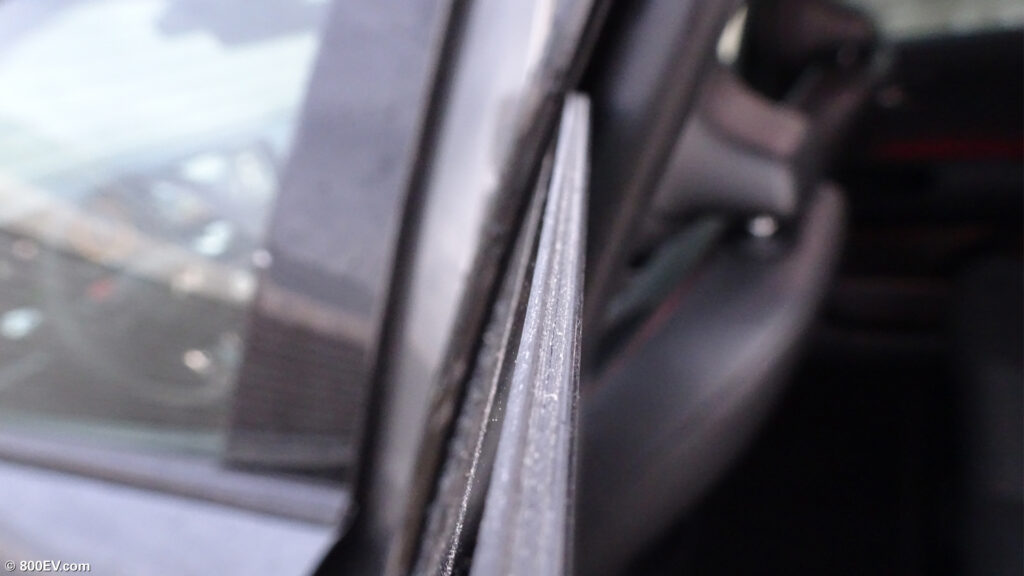
Even the base model comes with double-glazed windows also on the rear doors, reducing noise inside the car.
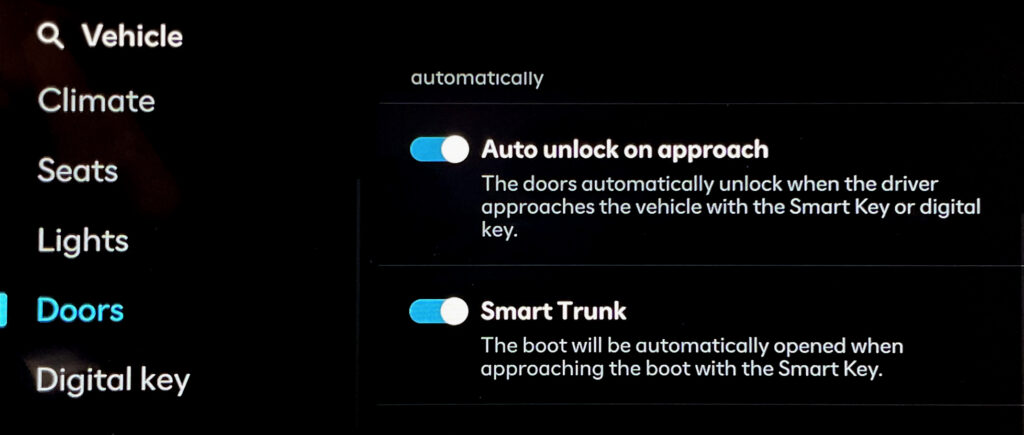
There are different digital ways to unlock the doors and to open the rear lid.
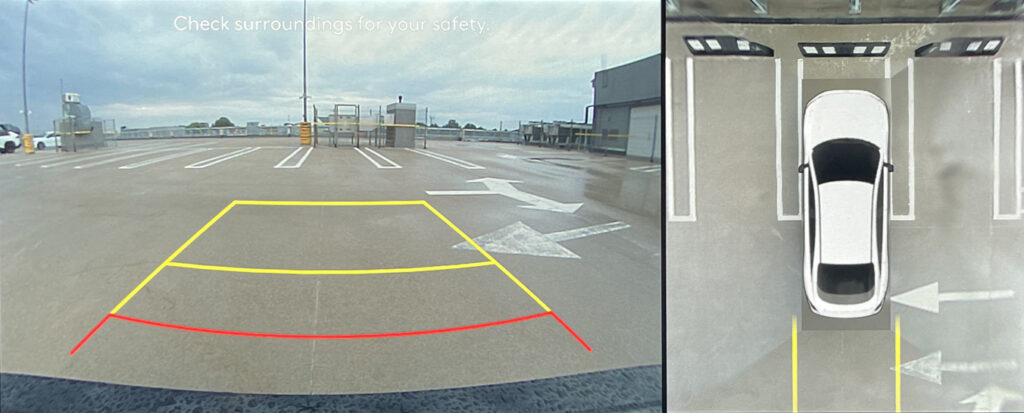
The most special optional equipment on the test car was the digital mirrors. Instead of mirrors, there are wide-angle cameras and screens. Digital mirrors have two advantages compared with traditional mirrors. In rainy weather, the side windows get wet, but the cameras are designed so they do not get wet and the screens inside the cabin provide a perfect image. The second advantage is that the driver does not have to turn their head as much as with conventional mirrors. This is especially useful for people who wear glasses. And third — digital mirrors suit such a futuristic car perfectly.
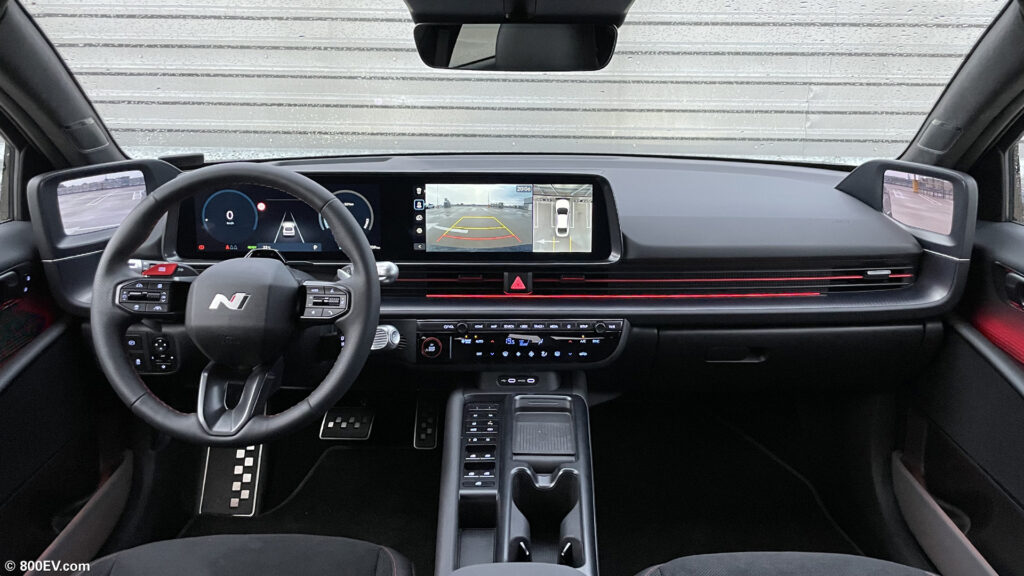
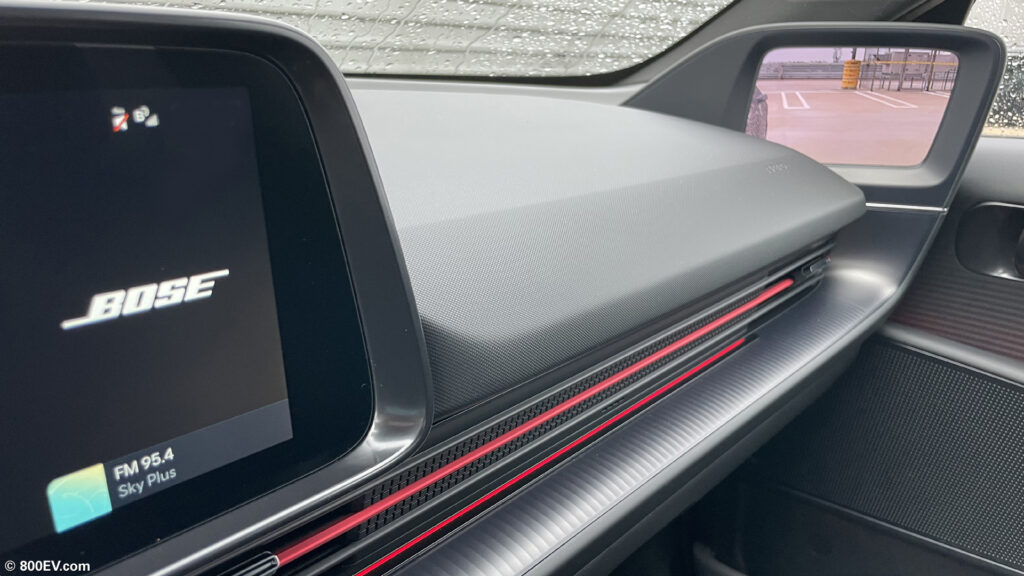
The test car was equipped with the optional Bose sound system. Bose is no longer as prestigious a name as it once was. In my opinion, the Bose system made for this car is just barely adequate. If it were even slightly weaker, I would not be satisfied with it. So, you should definitely equip the Ioniq 6 with the Bose sound system because you don’t want to listen to a sound system that would be worse than this. When listening to the radio, the Ioniq 6’s Bose system sounded very poor to me, but then I discovered that the noise reduction function for radio was activated in the settings, and it removed all the richness from the sound. The radio noise reduction function should be completely switched off because even in its lower setting the sound quality is ruined.
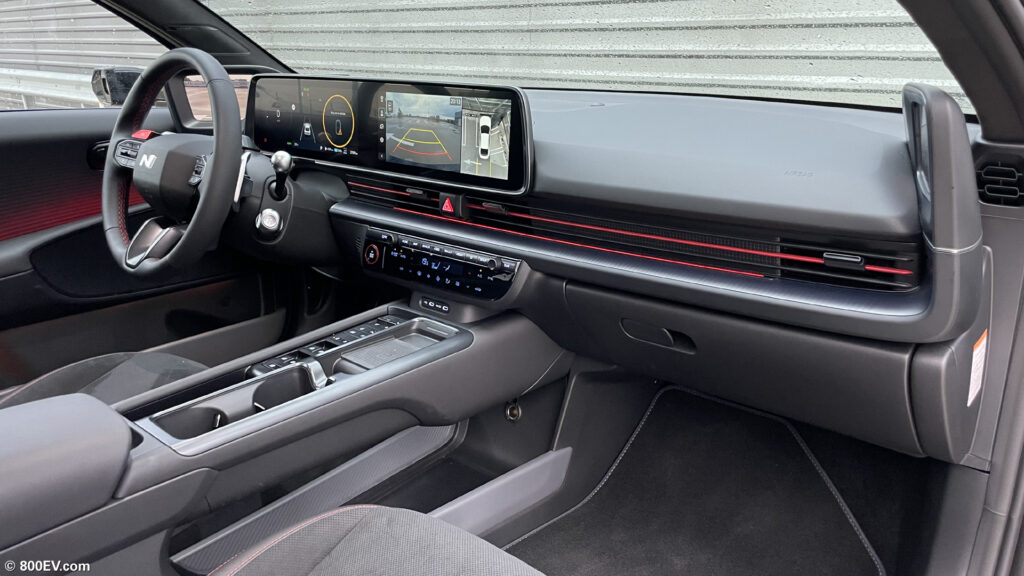
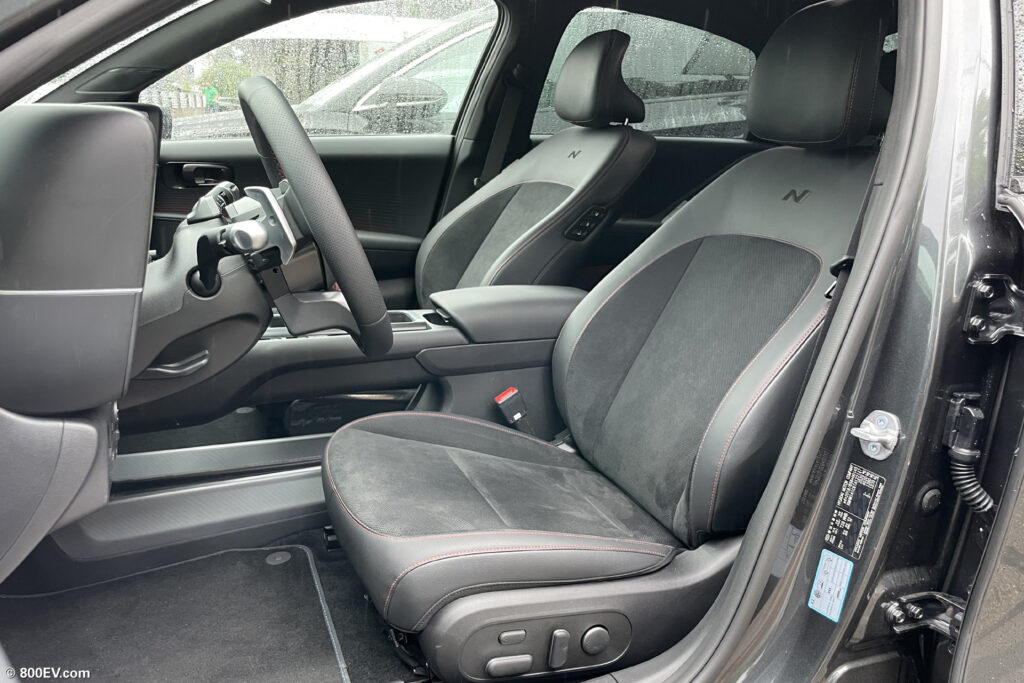
The N Line package comes with a black interior, including a black headliner and pillars — all of which adds a sporty atmosphere to the cabin.
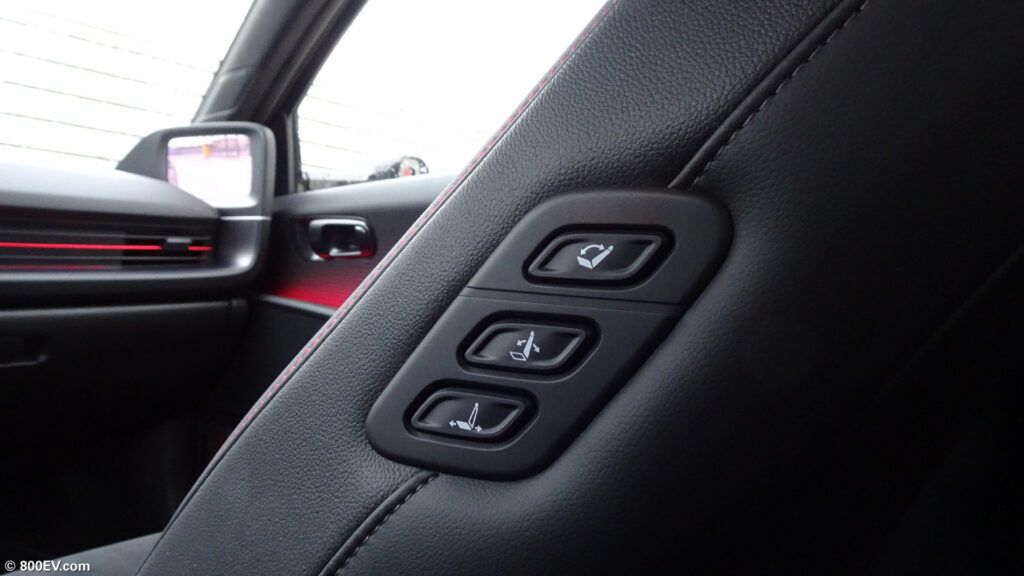
As a luxury option, you can get buttons that allow a rear passenger to move the front passenger seat forward, creating even more legroom at the back. The same package includes buttons on both the driver’s and passenger’s seats (the passenger seat even gets buttons on both sides) that allow the seat to be moved into a reclining position with one press. And returned to the normal position with another press.
This car simply is so good that there is almost nothing to nitpick. To make a car story credible, you have to tell something negative about the car. I don’t know what that could be. If I really had to pull one negative out of thin air, I would say that, from a design perspective, I prefer doors without window frames. But that is such a pointless thing to count as a downside. As you can see, with the Ioniq 6 you have to invent negatives.
Really, this car has no downsides? It feels strange to say, but I think there are almost none. Yes, I would prefer the interior to be completely free of leather, but Hyundai isn’t offering that yet.
Driving the Ioniq 6 is not tiring at all — I started the driving day at 10 a.m. and finished at 11 p.m. I was almost sorry to end the day so early because driving it was so enjoyable.
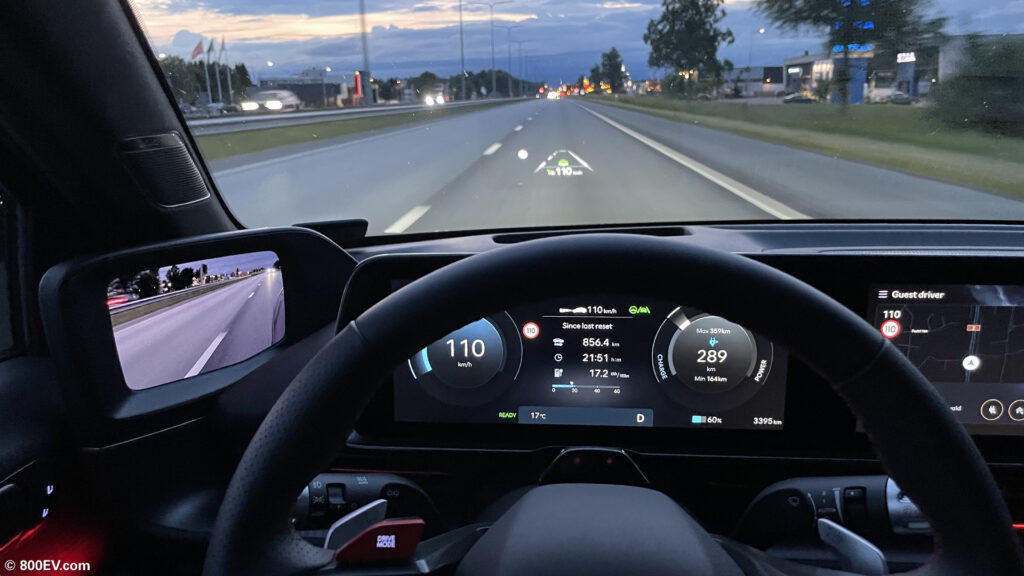
As part of the test, I deliberately sought out twisty roads — over the day I covered a total of 90 miles / 145 km on winding roads — and I would say the driving experience was perfect. Because the batteries are mounted in the floor, an electric car has a much lower centre of gravity than a combustion-engine vehicle, which makes electric cars very enjoyable on winding roads.
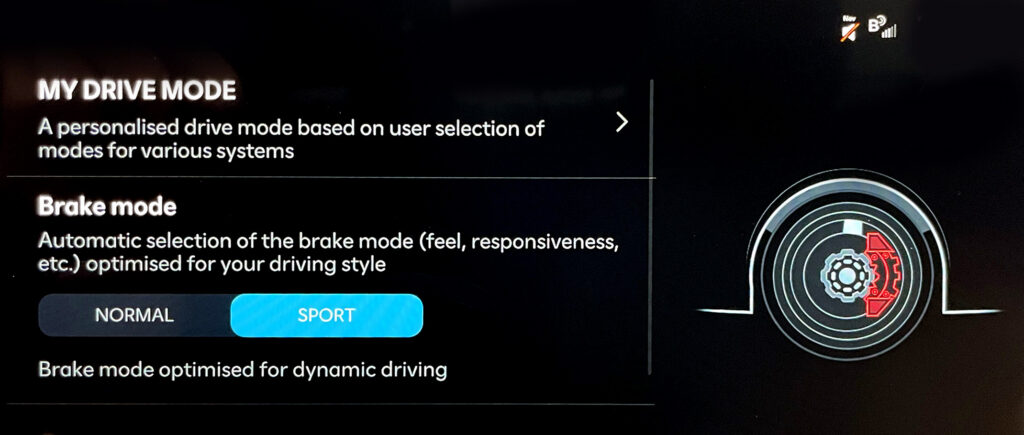
The 2026 Hyundai Ioniq 6 fulfils the wishes of a car enthusiast — it has stylish looks, produces no CO2 (so there are no guilty feelings about simply driving for pleasure), and the dual-motor version is quick.
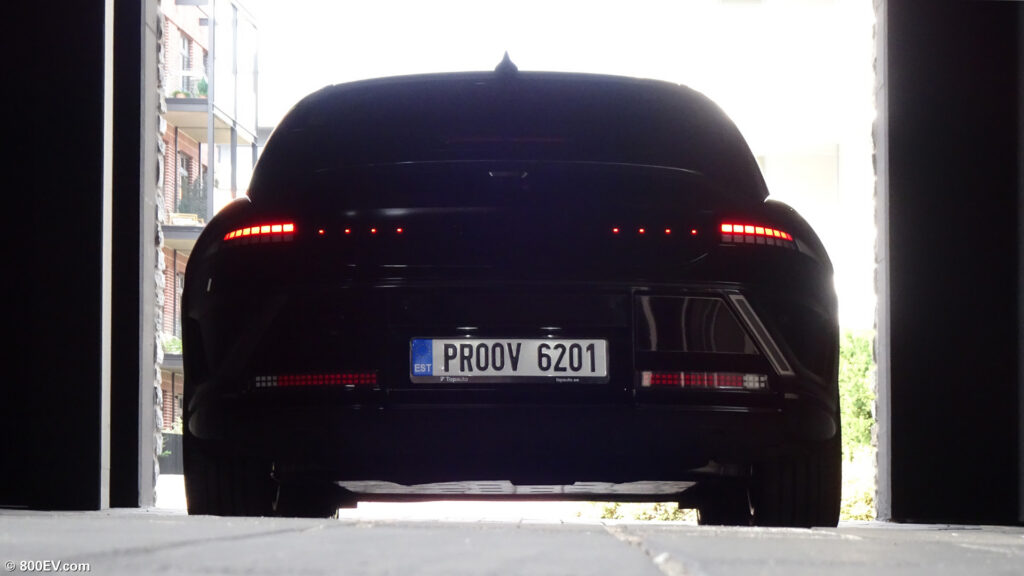
With a special GPS device, I measured the test car, an Ioniq 6 AWD, accelerating from 0-30 mph in 1.93 seconds and from 0–50 km/h in 2.02 seconds. That is obviously very good, but that is not all. There is also the Ioniq 6 N.
Combining my experiences with the Ioniq 6 and the Ioniq 5 N, I believe it when a racing driver says that the Ioniq 6 N is mind-blowing!