
2027 BMW i7
Article by Tobias Selerit
The BMW i7 introduced in 2022 was already a luxury masterpiece. How to improve it?
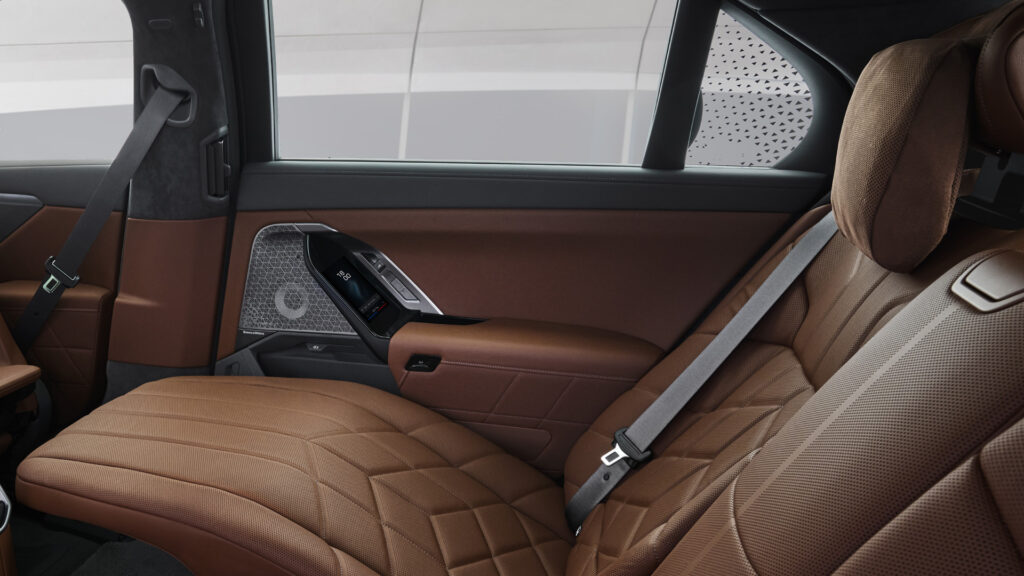
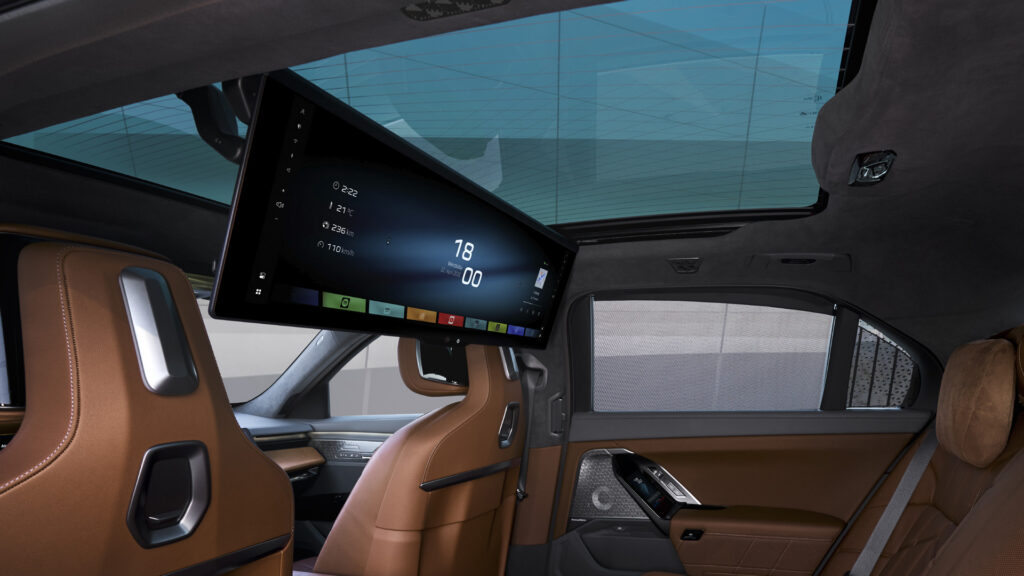
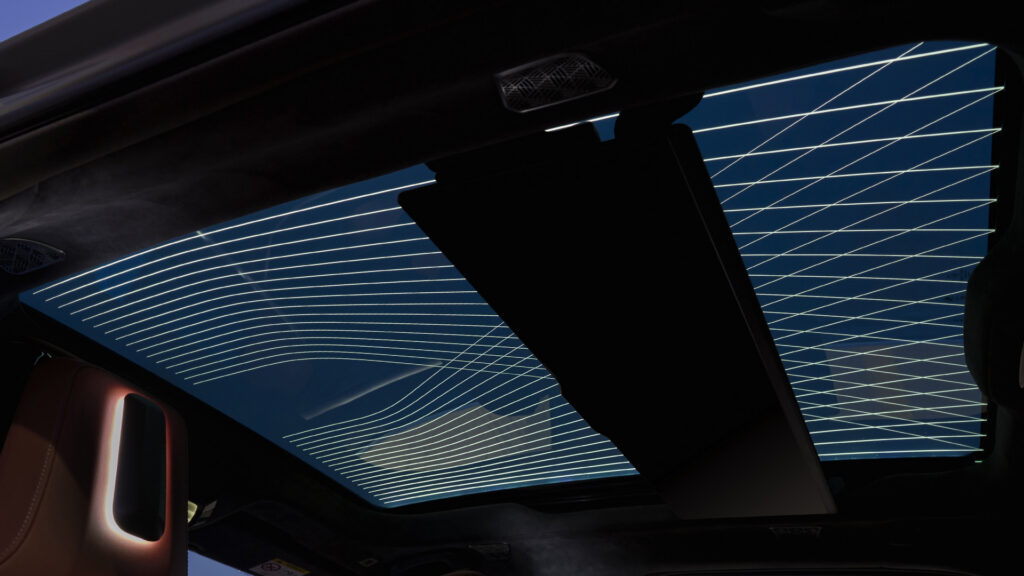
Compared to the original i7, the 2027 model looks significantly different in and out. It was not a typical mild facelift.
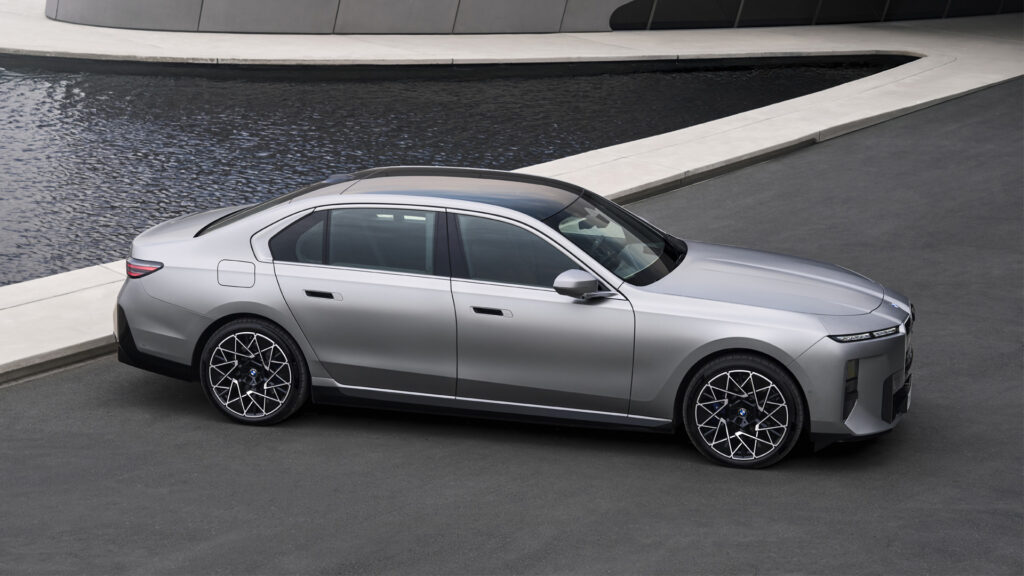
The 112 kWh battery pack with new cell technology boosted the efficiency enough to increase driving range by roughly 20%. That is significant improvement. At the same time, the peak charging power was also increased by 20%, to 250 kW.
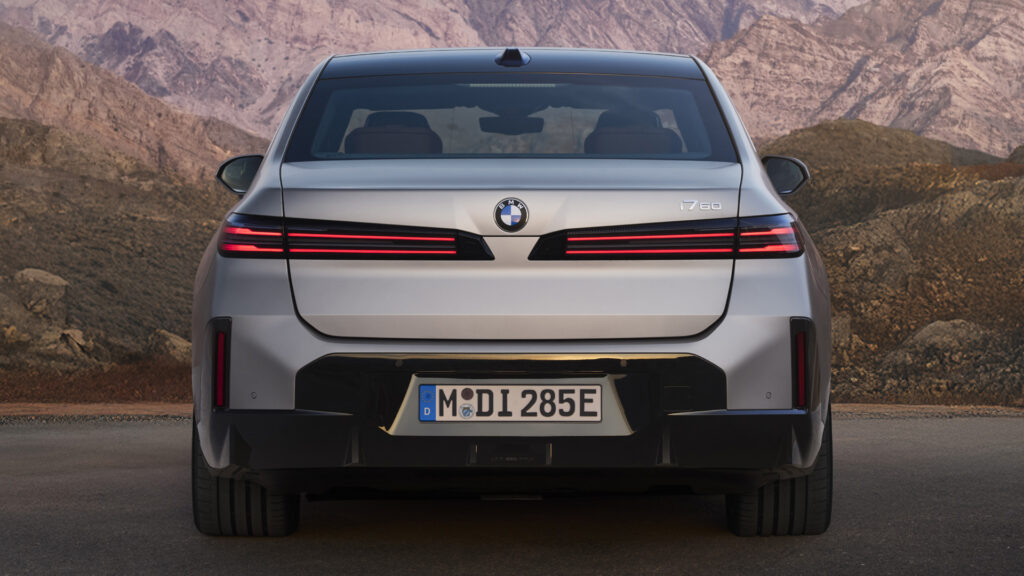
The base version got 4-wheel-drive as standard.
A new dashboard architecture was introduced, dominated by a narrow display running along the base of the windscreen from pillar to pillar. The car was also fitted with a standard front passenger display, reinforcing the idea that the i7 is as much about shared experience as it is about driving.
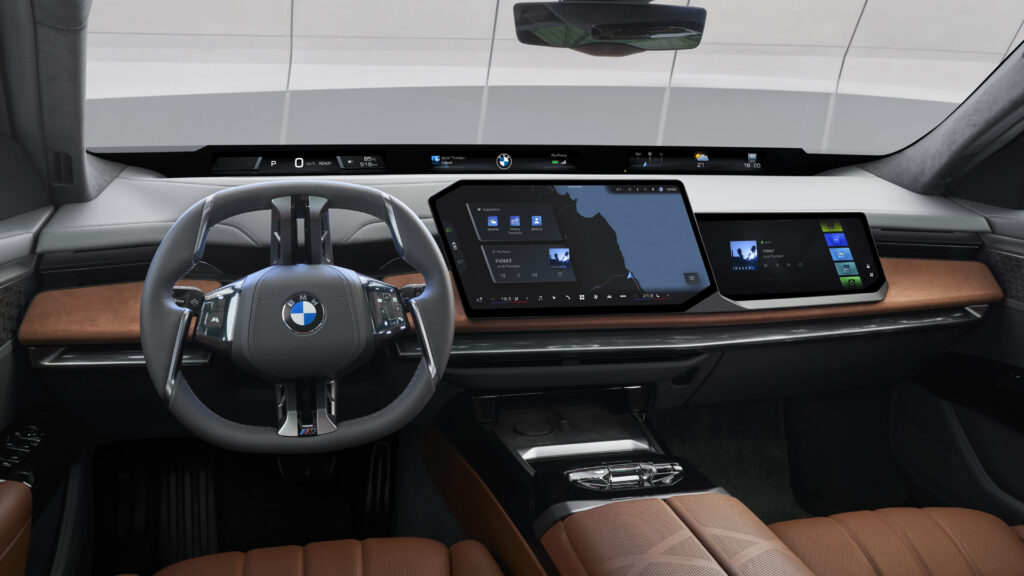
The narrow panoramic display replaces the traditional instrument cluster with something more ambient and integrated, emphasizing subtle information delivery.
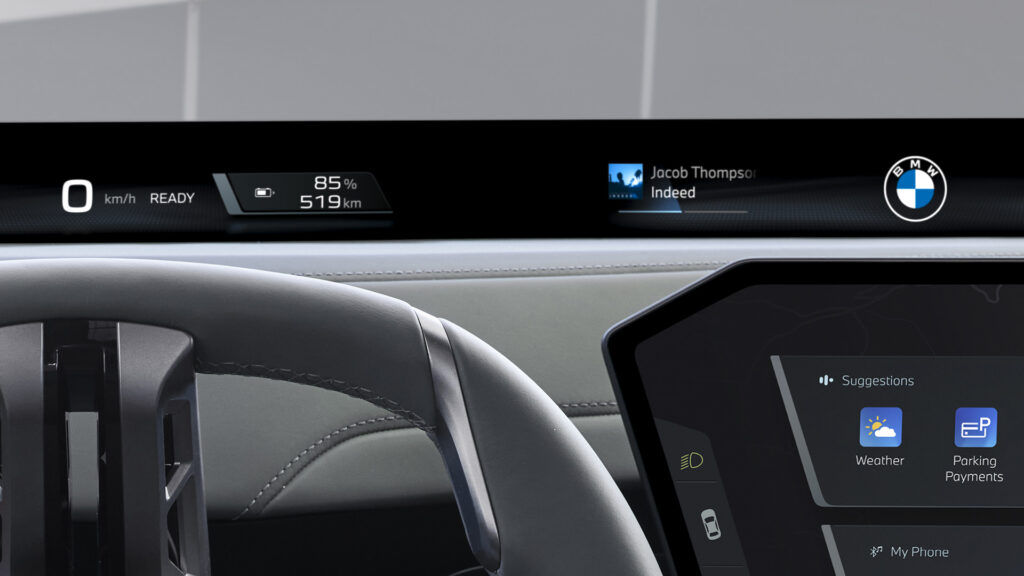
The i7 was also equipped with an AI-powered assistant.
The car enables hands-off driving at speeds up to 80 mph / 130 km/h across numerous European countries.
Then there’s the new Ceremonial Light Carpet. This isn’t just decorative lighting—it’s a highly intricate system with almost 200,000 embedded LED pixels in the door sills, projecting dynamic patterns onto the ground when entering or exiting the vehicle.
It’s theatrical, yes—but also emblematic of BMW’s approach to luxury: blending engineering precision with emotional impact.
| BMW i7 2027 | 50 xDrive | 60 xDrive | M70 xDrive |
| Drive type | 4WD | 4WD | 4WD |
| 0-60 mph | 5.3 sec | 4.6 sec | 3.6 sec |
| 0-100 km/h | 5.5 sec | 4.8 sec | 3.8 sec |
| peak power | 335 kW | 400 kW | 500 kW |
| rear motor | 230 kW | 230 kW | 360 kW |
| front motor | 190 kW | 190 kW | 190 kW |