McMurtry — Words Are Superfluous
Article by James Herne
The McMurtry Spéirling is a British-designed and built track car and engineering collectible that is completely unique in the world. It started with a vision: maximum driving exhilaration!
David McMurtry was an engineer who became a billionaire thanks to his outstanding talent in science. As a young guy he had worked on the Rolls-Royce jet engine for the epic supersonic Concorde airliner. McMurtry was obsessed with engineering. He solved difficult engineering problems and invented novel technologies.
At the age of 76, to realize his car dream, David McMurtry hired Thomas Yates, who had worked in the Mercedes-AMG F1 hybrid engine department for the past 5 years. A significant technological development in the world of F1 in 2014 was that a Formula 1 car no longer generated electricity only during braking, but also with the help of a turbo. Lewis Hamilton won the F1 championship with this engine in 2014-2015, Nico Rosberg in 2016.
Thomas Yates became the CEO of McMurtry Automotive in the end of 2016. He invited his fellow student Kevin Ukoko-Rongione to become McMurtry’s Technical Director. Kevin had worked at Williams Advanced Engineering, a spin-off company from the Williams F1 team.
I believe in education and engineers. McMurtry Spéirling is a good proof of what hardworking smart people are able to create.
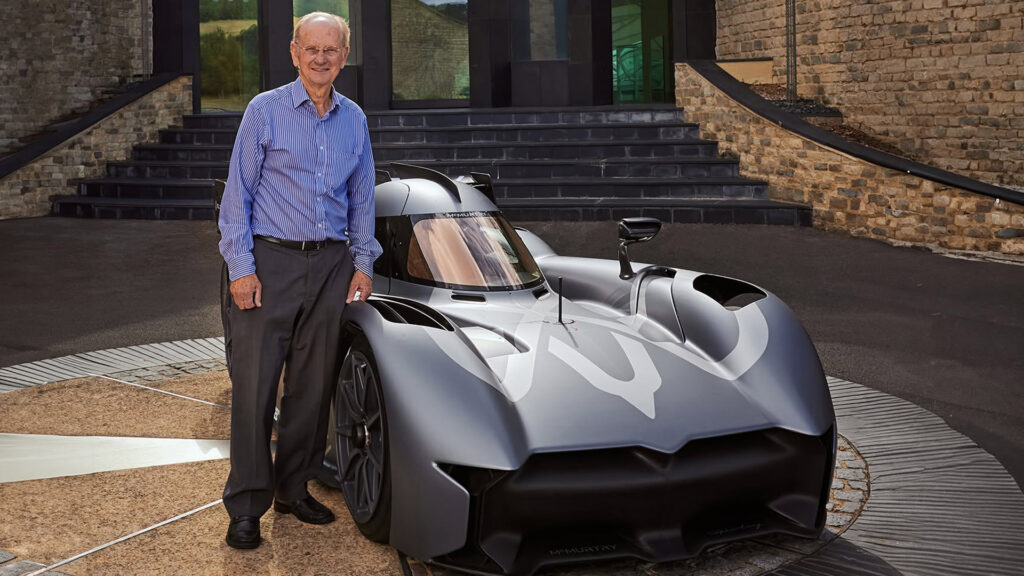
The McMurtry company logo draws from the peregrine falcon, the fastest creature on the planet.

The name “Spéirling” comes from Old Gaelic (Irish) language, meaning a storm, an intense wind.
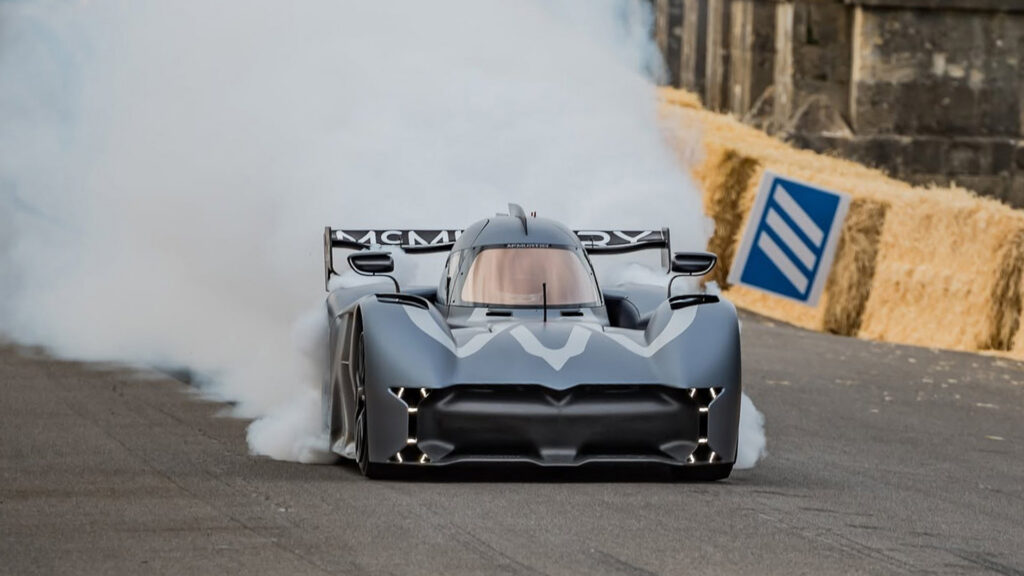
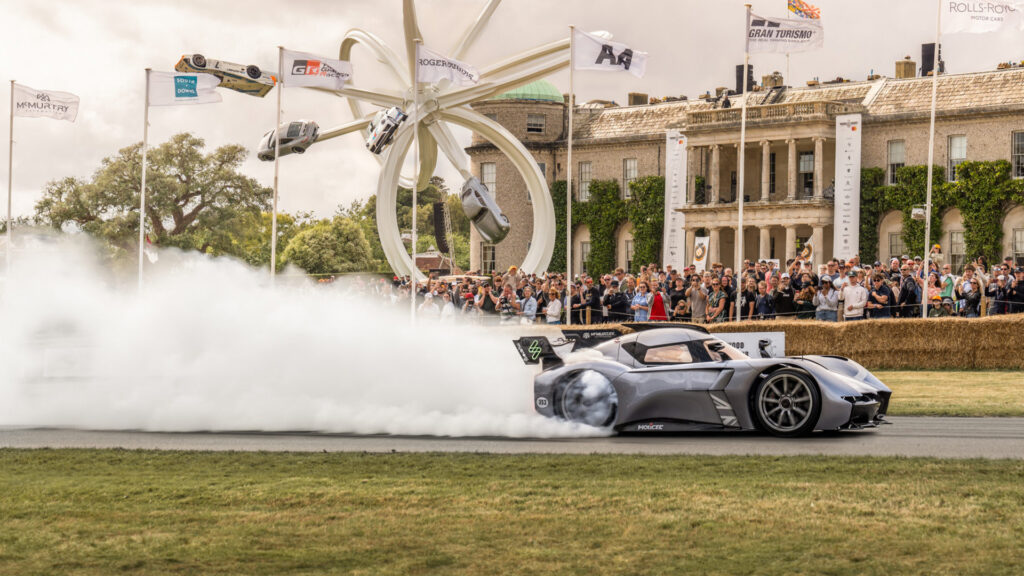
The defining feature of the McMurtry Spéirling is its fan-based downforce system. First, to prevent air from leaking under the car, the bottom of the car has a skirt system that can be inflated with an air compressor. Second, two 23,000 rpm fans with a jet-like sound generate a downforce of up to 2000 kg / 4400 lbs.
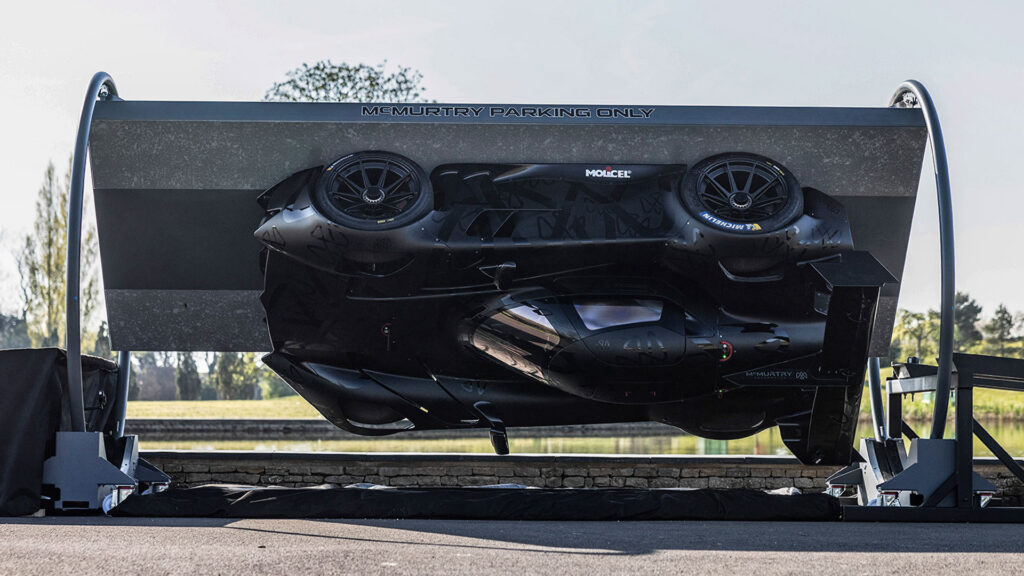
What you see in the photos is not a trick—the vacuum created under the car simply exceeds the weight of the car.
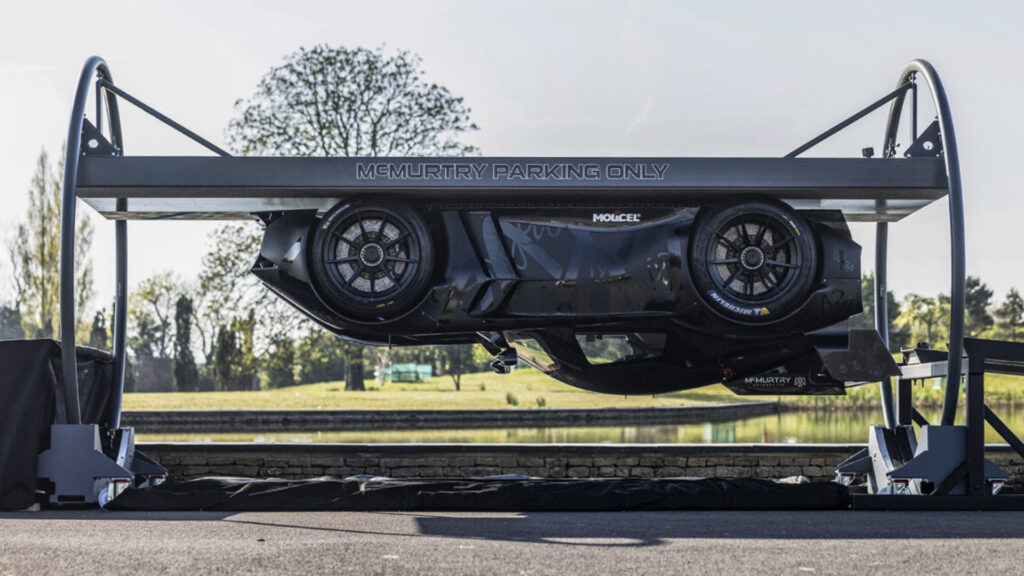
The car’s vacuum system provides extreme traction at low speeds, where traditional aerodynamics don’t work. The suspension is designed to withstand this. The car can generate high g-forces: up to 3.5Gs when cornering and up to 4Gs when braking (meaning you would feel 4 times heavier).
McMurtry Spéirling’s fundamental difference from all other cars lies in its cornering and braking, but its acceleration is also the best in the world. The production model’s official acceleration time from rolling start to 60 mph is 1.55 seconds. This means that, from a standing start it takes about 1.8 seconds to reach 60 mph and about 1.9 seconds to reach 100 km/h. How can a rear-wheel drive car take off so well? Again, thanks to the vacuum created under the car.
The combined peak output is at least 746 kW from two Helix SPX242-94 motors. The nominal peak power of each motor is 400 kW. The motors weigh just 34 kg / 75 lbs apiece.
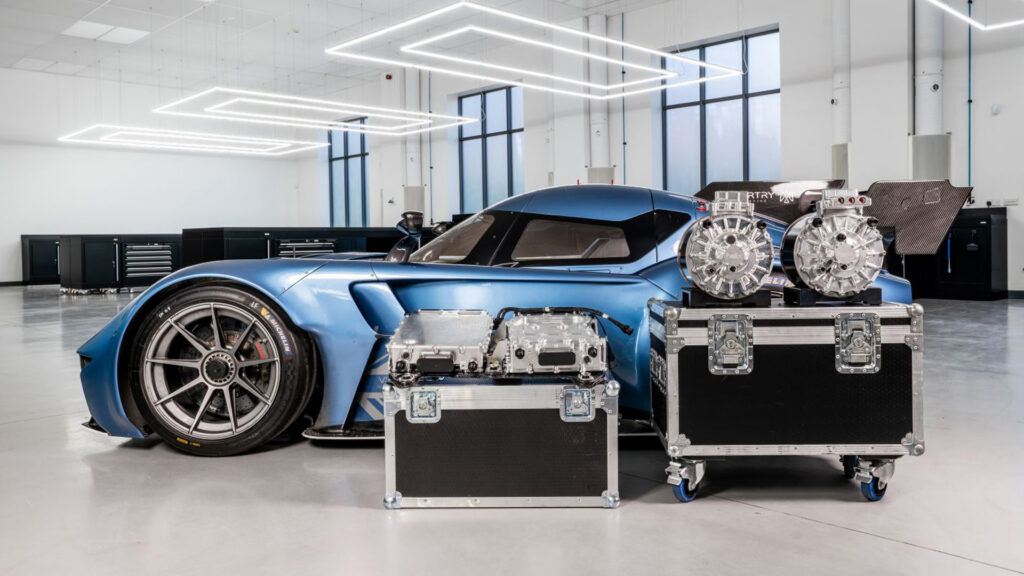
The production car uses a high capacity 100 kWh battery with cells from Molicel. Still, the car weighs just 1350 kg / 2980 lbs.
The Spéirling has been improved year after year to bring it into production. Bystanders like me have noticed four visually different versions over the years:
1. Narrow body version with flat wheel covers and no rear wing
2. Narrow body version with rear wing. It’s the look that made the Spéirling famous even before it set a new all-time overall record on the Goodwood Hillclimb.
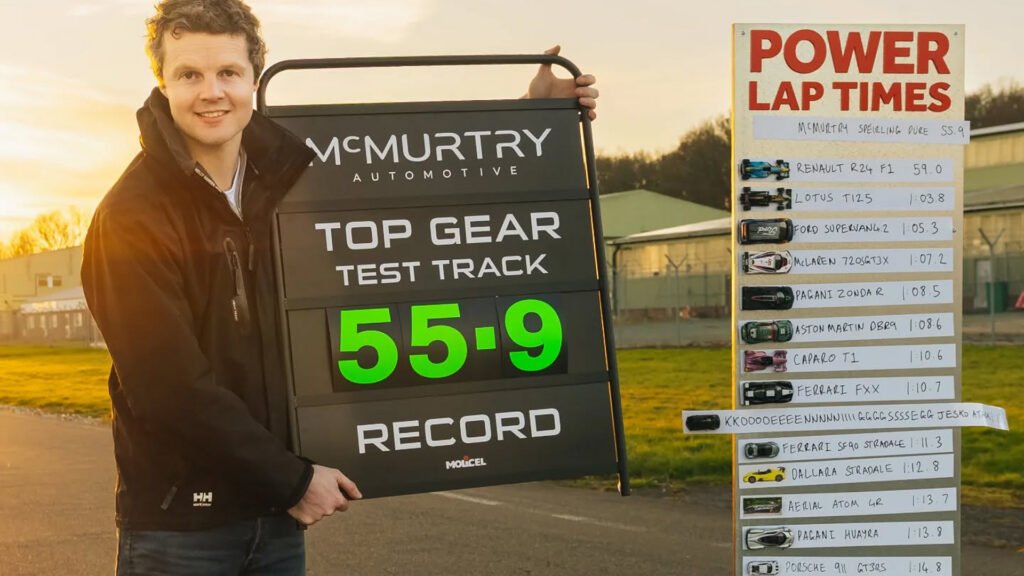
3. Wider body version called PURE. Still having the rear shark fin, but no shark fin on the roof anymore. This version set the overall record with enormous margin at the Top Gear Test Track.
4. Wider body and extended wheelbase version for production, also called PURE. Visually, the most noticeable thing is that the shark fin is gone and the rear wing is completely new. In reality everything is new, it is a completely new car.
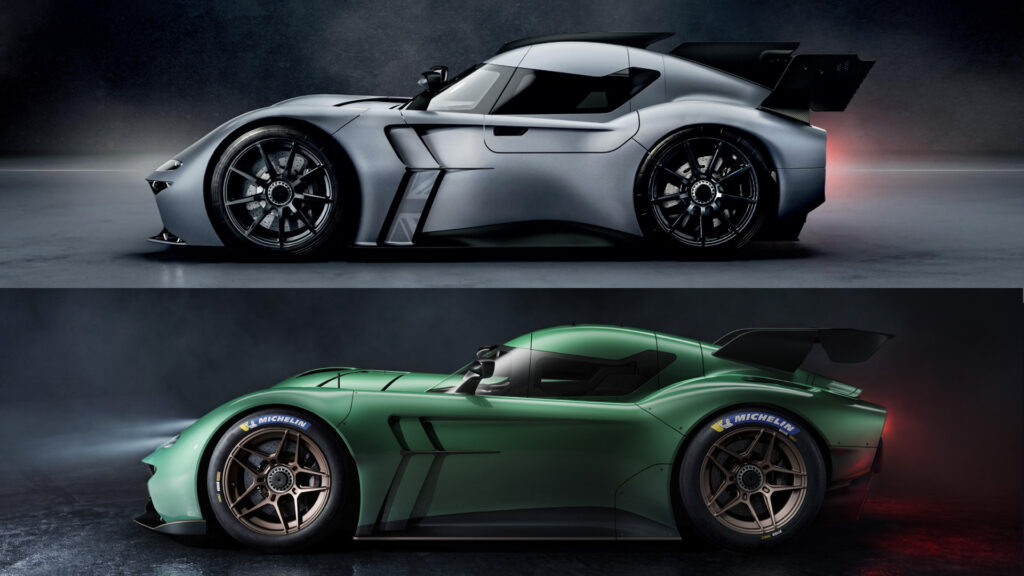
The production car is 11% longer and 14% wider than the original prototype.
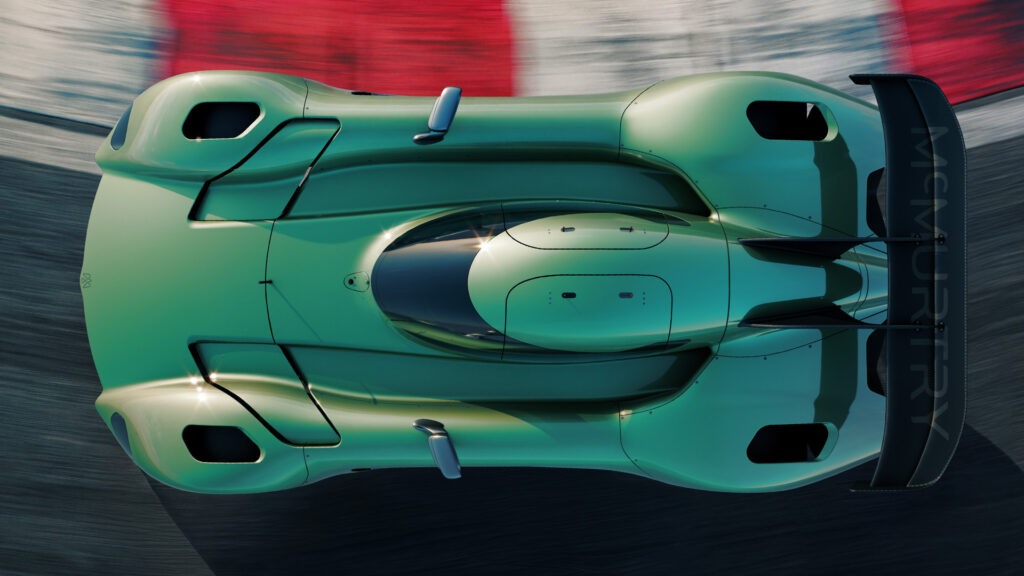
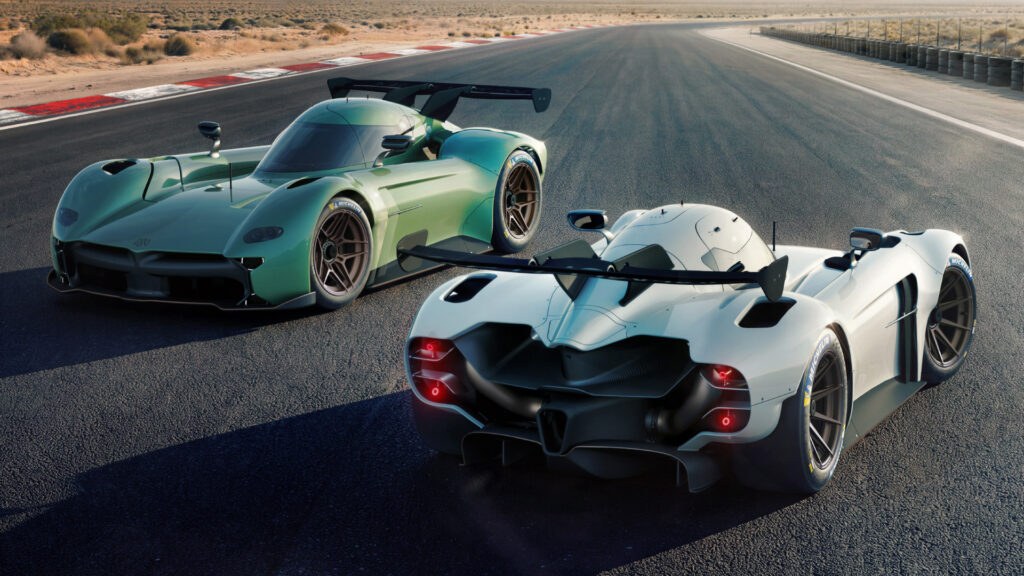
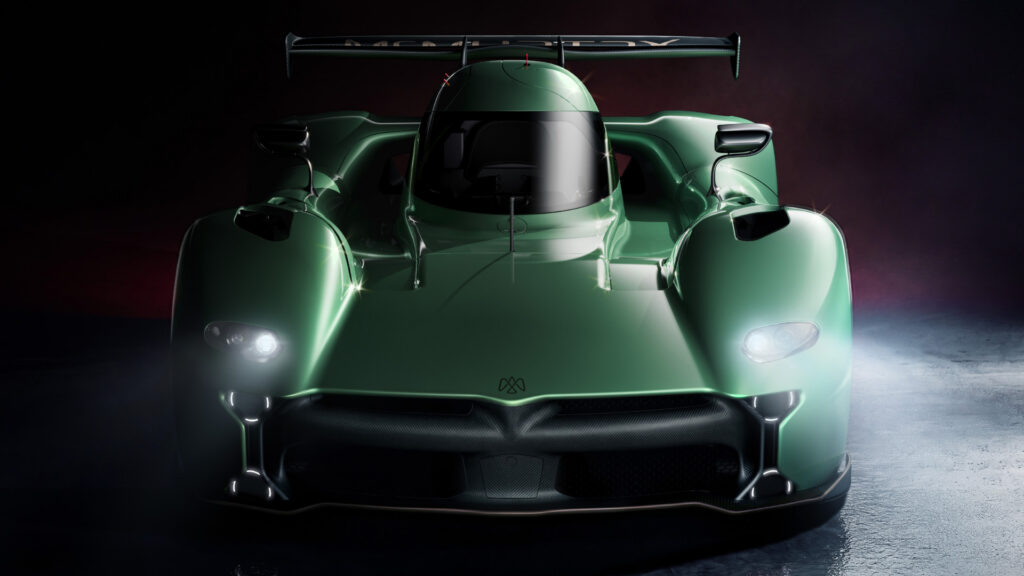
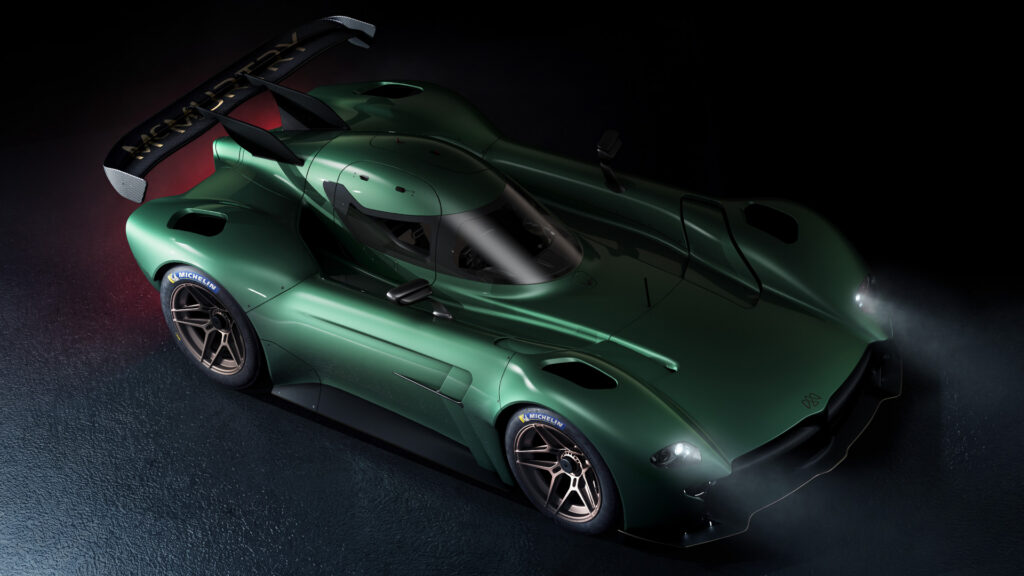
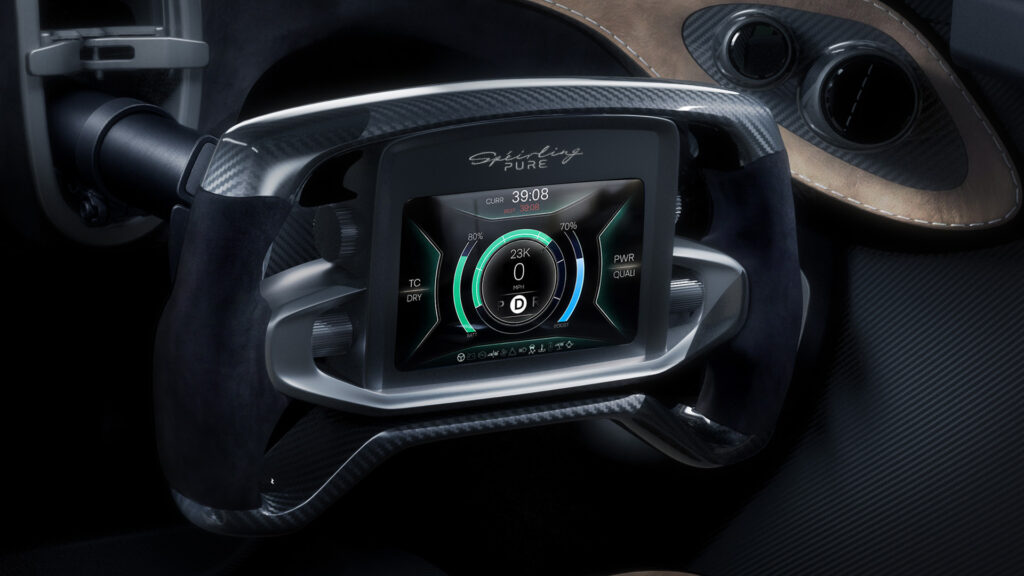
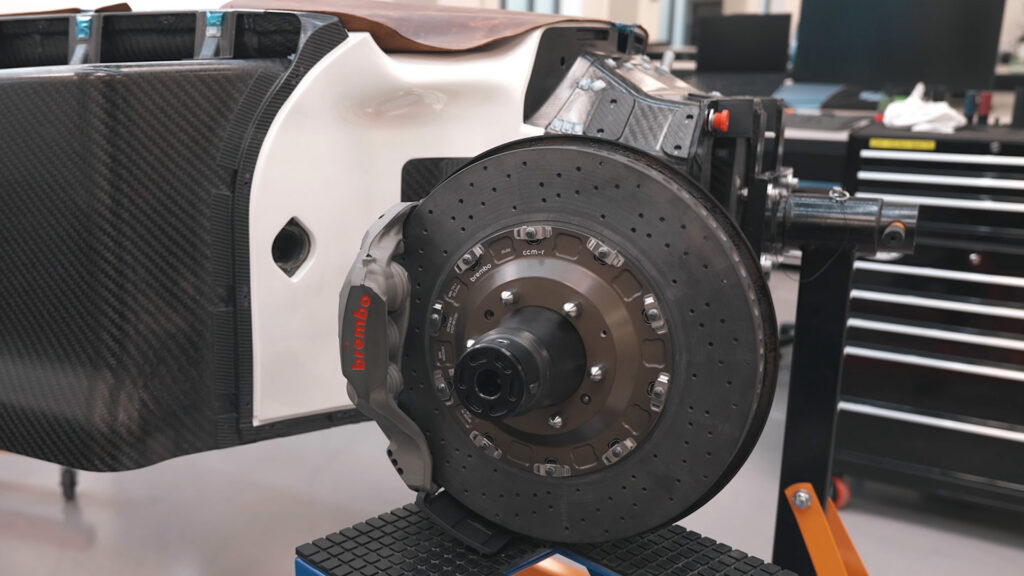
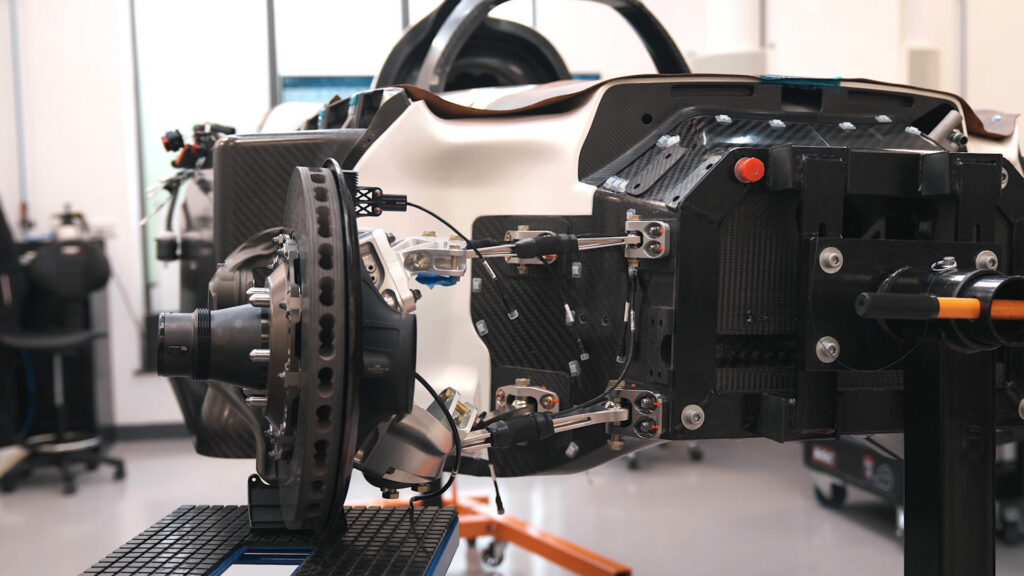
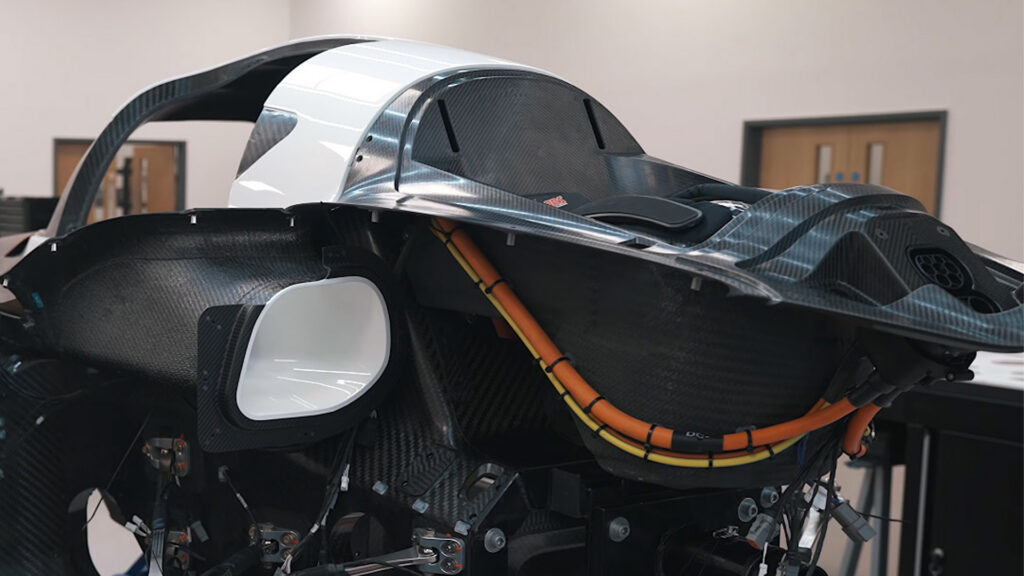
The result has drawn strong praise. Automotive journalist Chris Harris remarked: “I think it is the best built motor car I’ve ever seen.”
I, too, have such an impression.
In addition to the quality, let the numbers speak on the Top Gear Test Track record board:
0:55.9 McMurtry Spéirling PURE short wheelbase prototype
0:59.0 Renault R24 F1
1:03.8 Lotus T125
1:05.3 Ford SuperVan 4.2 EV
1:07.2 McLaren 720S GT3X
1:08.5 Pagani Zonda R
1:08.6 Aston Martin DBR9
1:10.6 Caparo T1
1:10.7 Ferrari FXX
1:10.9 Koenigsegg Jesko Attack
1:11.3 Ferrari SF90 Stradale
1:12.8 Dallara Stradale
1:13.7 Ariel Atom 4R
1:13.8 Pagani Huayra
1:14.8 Porsche 911 992 GT3 RS